


Waterproofing in Wet Rooms: Layer Thickness, Shower Areas, Drains, Reinforcement and Quality Control

Waterproofing in wet rooms is a mandatory stage when constructing a bathroom, shower room or sauna. It is not just an additional layer under tiles — it is structural protection of the building against moisture.
Mistakes in waterproofing may not be visible immediately, but over time they can cause leaks, structural moisture damage, mould growth and costly tile removal.
Where Waterproofing Is Mandatory
If a floor drain (trap) is installed, floor waterproofing is always mandatory.
This applies to:
shower rooms
bathrooms
saunas
laundry rooms
utility rooms
Waterproofing must be applied across the entire floor area and turned up along the walls at the perimeter.
Special attention must be paid to:
drain areas
corners
wall-to-floor junctions
pipe penetrations
Full Waterproofing of Shower Rooms
In a shower room, waterproofing is performed over the entire floor area and along the full height of all walls, without exceptions.
All corners, junctions and service penetrations must be properly sealed.
This approach eliminates weak points and ensures complete moisture protection of the structure.
Reinforcement in Shower Areas
To improve durability, reinforcing fiberglass fabric (waterproofing membrane fabric) recommended by the manufacturer is used.
In practice:
if the shower is located in a corner, the fabric should extend at least 1 meter from the corner in both directions
if two shower outlets are installed on the same wall, full-wall reinforcement is recommended
the fabric must be installed strictly according to the manufacturer's system instructions
Reinforcement reduces the risk of cracks and leaks in high-exposure zones.
Pipe Penetrations and Sealing Collars
Special waterproofing collars must be used at pipe penetrations.
Important:
collars should belong to the same waterproofing system
they must match the exact pipe diameter
the size specified by the manufacturer must be used
Collars are available in different sizes, and the packaging indicates the compatible pipe diameter. Using an incorrect size compromises sealing reliability.
How to Check Waterproofing Layer Thickness
Thickness control is a critical part of quality assurance.
Material Consumption Control
Manufacturers specify:
material consumption per m²
minimum required dry layer thickness
If actual consumption is below specification, the final layer thickness may be insufficient.
Dry Layer Thickness Measurement
After complete curing, a selective check can be performed:
a small test cut is made in a non-visible area
dry layer thickness is measured with a caliper
results are compared with manufacturer requirements
Insufficient thickness is one of the most common causes of future leaks.
How Many Layers Should Be Applied
Waterproofing is typically applied in two or three coats.
However, the number of coats is not the main quality indicator. The key factor is achieving the minimum required dry layer thickness specified by the manufacturer.
If the required thickness is not reached, even three coats do not guarantee proper protection.
When to Hire a Specialist
Finland
In Finland, waterproofing requirements for wet rooms are stricter. Work is often carried out by certified professionals (for example, those trained under VTT standards).
In case of an insurance claim, the insurance company may request proof that the work was performed by a qualified specialist.
Estonia
In Estonia, regulations are less strict and many homeowners perform waterproofing themselves.
However, it is essential to strictly follow manufacturer requirements, especially regarding minimum dry layer thickness:
walls — typically from 0.4–0.5 mm
floors — usually higher requirements
Exact values depend on the specific manufacturer and system.
Conclusion
If a floor drain is installed, floor waterproofing is mandatory. In shower rooms, full waterproofing must be applied — 100% of floor and walls. The key quality factor is final dry layer thickness, not the number of coats applied.
Following system guidelines and using components from one manufacturer ensures long-term durability and structural safety.
Which waterproofing manufacturer should be chosen? It is important to choose certified and well-documented systems. In our store, we offer trusted manufacturers such as Weber, Kiilto and Ceresit, widely used in Estonia and Finland. RemPro primarily uses Ceresit systems in their professional projects.
Products from this article
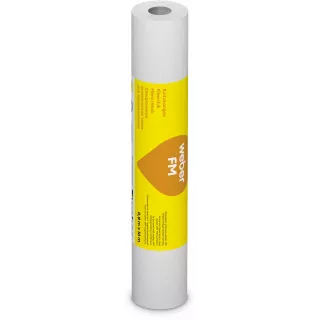
WATERPROOFING FABRIC WEBER FM 0,8x10m
26.18€
In stock
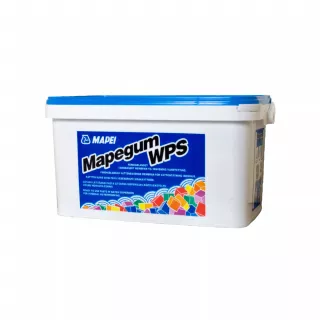
WATERPROOFING COMPOUND MAPEI MAPEGUM WPS 20kg
78.70€
In stock
HÜDR.TRAPITUG.KIILTO 37X37cm ISELIIMUV
11.00€
In stock
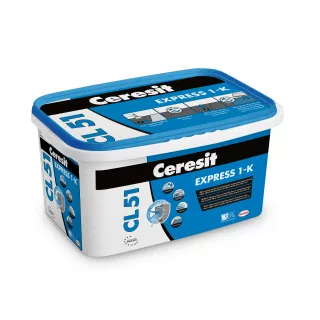
Waterproofing CERESIT CL51 15kg
57.64€
In stock
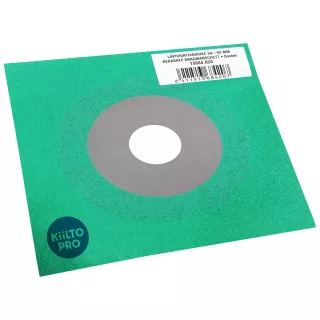
PENETRATION COLLAR KIILTO 34-55mm
6.03€
In stock
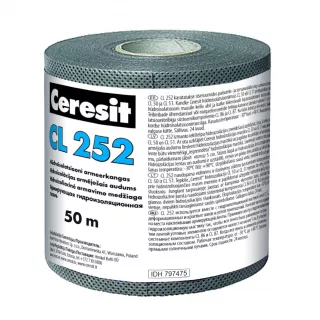
WATERPROOFING TAPE CERESIT CL252 50M
21.15€
In stock
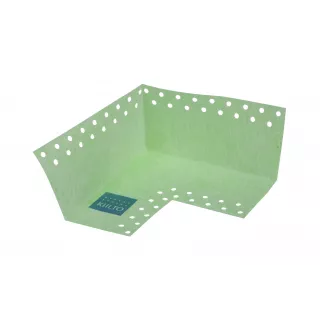
HÜDR.NURGATUGEVDUS SISE KIILTO
5.79€
In stock