













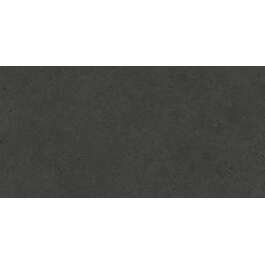
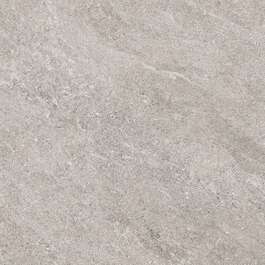


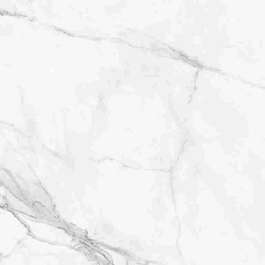
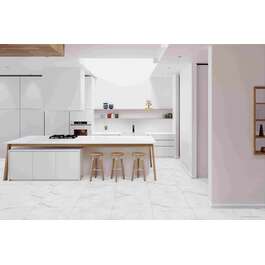

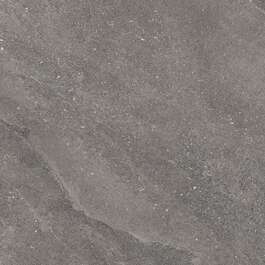
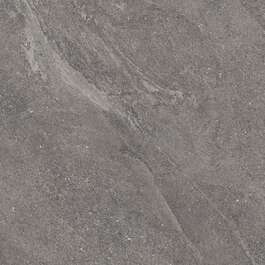
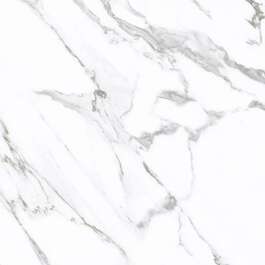
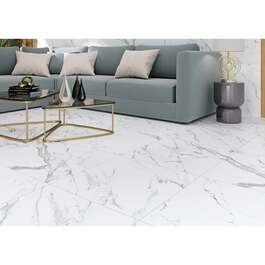








Frequently asked questions about the Porcelain Tiles category
What is the difference between porcelain and ceramic tiles?
While both are made from clay, porcelain tiles (also known as porcelain stoneware) are fired at much higher temperatures (above 1200°C) and under greater pressure.
The Result: Porcelain is denser, less porous (water absorption rate < 0.5%), and significantly more durable than standard ceramic tiles, making it suitable for both high-traffic floors and outdoor use.
Can I install porcelain tiles on walls?
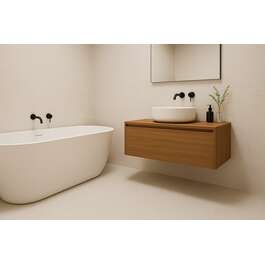
Yes, absolutely. It is a modern standard for bathrooms and kitchens. However, because porcelain is heavier and non-porous, a standard "ceramic adhesive" won't work. SityPro recommends using a high-bond C2-class adhesive (like the Ceresit range) to ensure the tiles don't slip or detach due to their weight.
Which finish is more practical: Matte, Polished, or Lappato?
Matte: The most durable and slip-resistant. Best for high-traffic areas like hallways.
Polished: Offers a mirror-like luxury finish that makes rooms feel larger, but it can be slippery when wet.
Lappato (Semi-polished): The perfect middle ground, offering a sophisticated sheen with better slip resistance than full-polished tiles.
Is porcelain tile suitable for underfloor heating?
Porcelain is arguably the best material for underfloor heating. It has excellent thermal conductivity and high thermal mass, meaning it heats up evenly and retains heat long after the system is turned off, making your home more energy-efficient.
Which tile adhesive should I use (e.g., Ceresit CM 17)?
Ceresit CM 14 / CM 16: Perfect for standard formats in residential apartments.
Ceresit CM 17: This is a premium highly flexible adhesive (Class C2 S1). It is essential for large-format tiles (120x60 cm and up), underfloor heating, and areas prone to temperature fluctuations like balconies or terraces.
Quick Reference: Wear Resistance (PEI Rating)
| PEI Rating | Recommended Usage |
| PEI II | Bathrooms, bedrooms (light foot traffic) |
| PEI III | Kitchens, hallways, living rooms (moderate traffic) |
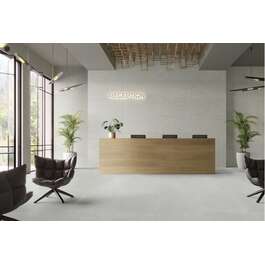
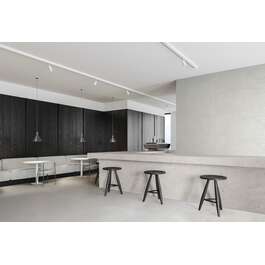
| PEI IV | Offices, showrooms, restaurants (high traffic) |
| PEI V | Shopping malls, airports (extreme commercial traffic) |
What are "rectified" tiles, and can they be laid without grout?
Rectified tiles have edges that are precision-cut at the factory to a perfect 90° angle. This allows for very thin grout lines (1.5–2 mm).
Pro Tip: Never install tiles without any grout. Buildings naturally "breathe," and without a minimal expansion joint, your tiles may crack or "pop" due to structural movement or thermal expansion.
Is porcelain tile slippery in bathrooms?
When choosing tiles for wet areas, look for the R-rating (Slip Resistance):
R9–R10: Suitable for dry indoor living areas.
R11–R12: Recommended for bathrooms, walk-in showers, outdoor steps, and pool surrounds.
How do I cut porcelain tile without chipping?
Because porcelain is extremely hard, a standard tile cutter may struggle with complex cuts. Use a high-quality diamond blade on an angle grinder for L-shaped or circular cuts. For a factory-finish edge, polish the cut side with diamond sanding pads (often called "turtles").
Why is porcelain tile the best choice for outdoors?
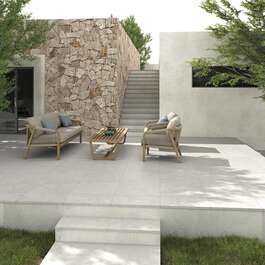
The key is frost resistance. Because porcelain absorbs almost no water, there is no moisture inside the tile to expand and crack it during freezing temperatures.
It can withstand hundreds of freeze-thaw cycles without any structural damage.
How do I clean tiles after renovation?
Construction dust and grout haze can leave a stubborn film that makes new tiles look dull.