

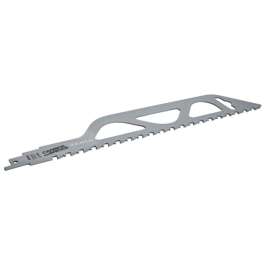
In Stock
33.95€ / pc.
Ex Tax: 27.38€ / pc.
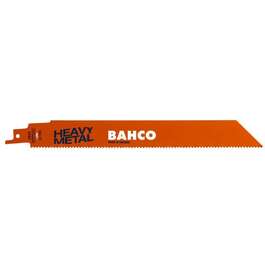
In Stock
24.75€ / pc.
Ex Tax: 19.96€ / pc.

In Stock
9.11€ / box
Ex Tax: 7.35€ / box
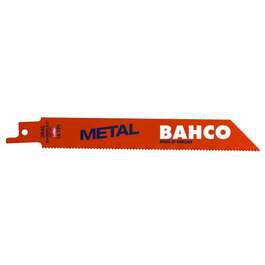
In Stock
11.49€ / box
Ex Tax: 9.27€ / box

In Stock
16.47€ / box
Ex Tax: 13.28€ / box

In Stock
22.90€ / box
Ex Tax: 18.47€ / box
In Stock
13.99€ / box
Ex Tax: 11.28€ / box
In Stock
14.45€ / box
Ex Tax: 11.65€ / box

In Stock
19.23€ / box
Ex Tax: 15.51€ / box



Frequently asked questions about the Saw blades category
What are Saw blades and what are they used for?
Saw blades are replaceable cutting elements for handheld and stationary saws (jigsaws, reciprocating saws, band saws) used to cut wood, metal, plastic and concrete. Choose by tool compatibility, blade material (HSS, bi‑metal, carbide), blade length and tooth pitch for desired cut quality and speed.
Which saw blades fit a reciprocating (sabre) saw?
Reciprocating saw blades must match your tool’s shank type; the range includes bi‑metal blades 150–300 mm for metal and general-purpose blades for wood. Use coarse-tooth blades for fast rough cuts and fine‑tooth or bi‑metal blades for cutting metal.
Which shank types are most common for reciprocating saw blades?
The most common shank types are straight (universal) and T‑shank, both compatible with many brands. Always check that the blade shank (straight, T or U) matches your saw’s clamp before buying.
What saw blades are used for band (strip) saws?
Band saws use continuous band blades in various widths and thicknesses: thinner blades for fine wood cuts and wider, sturdier blades for metal cutting. Options include different tooth pitches and bi‑metal blades for longer life.
Which blades fit an electric jigsaw?
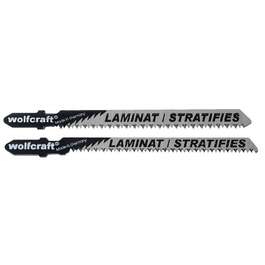
Jigsaws use T‑shank or U/pinned blades depending on model, typically 50–100 mm long for straight and curved cuts. Use coarse tooth blades for wood and HSS or bi‑metal fine‑tooth blades for metal cutting.
Which blades are used with a renovator (multitool)?
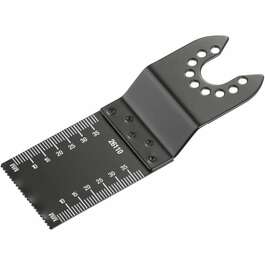
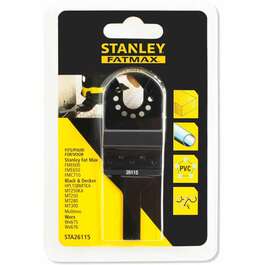
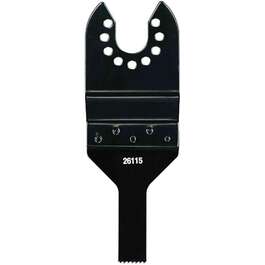
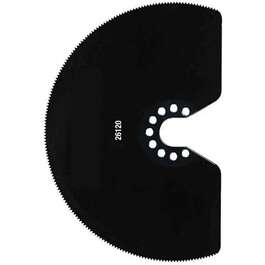
Use segment or universal blades compatible with your tool’s oscillating (OSC) mounting system for flooring, drywall and thin metal. Carbide‑tipped segment blades are common for tile and abrasive materials.
Which blades are best for cutting wood?
Wood cutting blades typically have a coarser tooth pitch and carbide or bi‑metal teeth for clean cuts; choose length and shape by tool (jigsaw 50–100 mm, reciprocating 150–300 mm, circular blades by diameter). Use fine‑tooth blades for finishing cuts.
What is the HS (TNVED) code for saw blades?
The HS/TNVED code depends on the blade type (circular, band, hand blades), so the exact code varies by product. Provide full product details to your customs broker to determine the correct code for a specific blade.
What is the difference between HSS, bi‑metal and carbide blades?
HSS suits thin metal and holds a sharp edge; bi‑metal combines a flexible backing with wear‑resistant teeth for metal and wood; carbide (tipped) offers very high wear resistance for tile, concrete and abrasive materials. Choose based on the material you cut and required durability.
How to choose tooth pitch and tooth shape for a clean cut?
For clean rip cuts in wood choose finer tooth pitch (more teeth per inch) and a negative or neutral hook angle; for crosscuts use coarser pitch. For metal, use finer pitch with bi‑metal or HSS teeth.
New Arrivals in the Saw blades Category in 2026
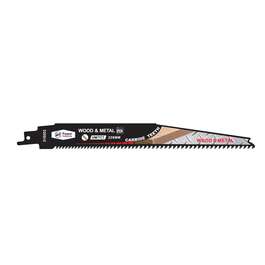
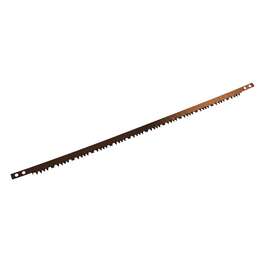
- RECIPROCATING SAW BLADE BAHCO KÕVASULAM 457MM KERGBETOONILE — 33.95€
- RECIPROCATING SAW BLADE BAHCO KÕVASULAM 300MM KERGBETOONILE — 24.75€
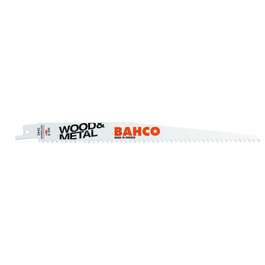
- RECIPROCATING SAW BLADE BAHCO BI-MET. 150MM HEAVY METAL/ 2tk — 9.11€
- RECIPROCATING SAW BLADE BAHCO BI-MET. 228MM HEAVY METAL/ 2tk — 11.49€
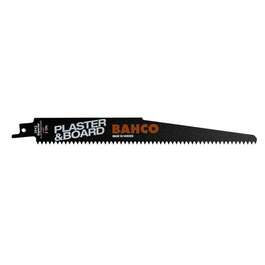
- RECIPROCATING SAW BLADE BAHCO BI-MET. 228MM METALLILE/ 2tk — 9.39€
Best sellers in the Saw blades category in 2026
Cheap products in the Saw blades category
- JIGSAW BLADE 55MM PUIT 3TK 7009 — 1.50€
- RAUASAETERA 12/24T COBALT — 2.02€
- VIBUSAETERA 60CM AMTECH — 2.20€
- JIGSAW BLADE 110MM PUIT3TK 7005 — 2.29€
- ÜHEKÄE RAUASAAG 300 MM — 2.29€
Expensive products in the Saw blades category
- PUURSAETERA CERAMIC 68MM WOLF — 60.62€
- TEEMANTKUIVPUUR NOVIPRO D42MM — 54.27€
- KIUDTSEMENTPLAADI KETAS 160X20MM 4T — 47.75€
- SAEKETTAD 165x20MM (16T+24T+40T) 3TK — 45.90€
- SAW BLADE KREATOR PUIDULE 315X30X100T — 42.90€
Price of products in the Saw blades Category
Saw blades: 1.21€ — 48.89€ (148)