


In Stock
8.74€ / box
Ex Tax: 7.05€ / box


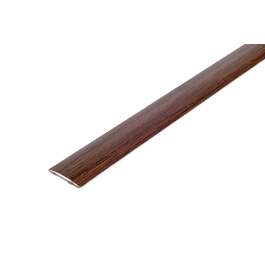
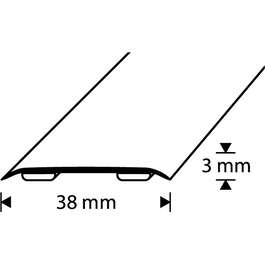
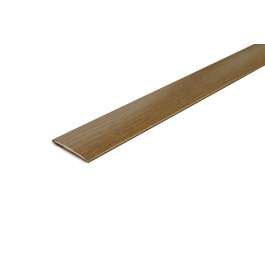
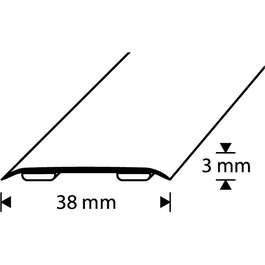
In Stock
7.27€ / box
Ex Tax: 5.86€ / box




Frequently asked questions about the Tile skirting and tiling supplies category
What are Tile skirting and tiling supplies and what do they do?
Tile skirting and tiling supplies are profile elements (L-, U-, P-shapes, corner and edge trims) made of aluminium, PVC or stainless steel, typically 2.5–2.7 m long. They protect tile edges, create neat transitions between surfaces and hide tile ends and joints during installation.
Which profile should I choose to protect an external tile corner — L, U or P?
For external corners choose L- or corner profiles: L-shaped trims (8–12 mm, 2.5 m length) protect and finish the edge. P- and U-profiles work for transitions and edge covers; use P for transitions to flooring and U to cap tile ends.
Which profile material is best for wet rooms — aluminium, PVC or stainless steel?
For bathrooms and kitchens choose anodised aluminium or stainless steel as they resist corrosion and cleaning. PVC is suitable for dry rooms or budget jobs but is less durable under constant moisture.
What lengths do tile trims in this category come in and are there shorter options?
Profiles here are mainly 2.5–2.7 m long (e.g. L 2.5 m, U 2.7 m). For shorter lengths trims are typically cut on site — aluminium and PVC trims are easy to saw to the required size.
How to choose a profile by tile thickness — what do 8 mm, 10 mm, 12 mm mean?
The numbers (8 mm, 10 mm, 12 mm) indicate the profile height and the tile thickness they suit. Pick a profile about 1–2 mm higher than the combined tile plus adhesive thickness so the trim sits flush with the surface.
Can I use a matt RAL9005 aluminium profile with light-coloured tiles?
Yes — a matt RAL9005 (black) profile provides a stylish contrast with light tiles. Just ensure the profile height (8–12 mm) matches the tile thickness and the colour suits your interior scheme.
What is the practical difference between a 2.7 m U-profile and a 2.5 m L-profile?
A U-profile (2.7 m) is used to cap tile edges and covers the edge on three sides. An L-profile (2.5 m) protects external corners and provides a decorative edge along one side.
How do I cut aluminium and PVC trims — do I need special tools?
Cut aluminium with a hacksaw or mitre saw fitted with a metal blade; cut PVC with a wood saw or an angle grinder with a fine-tooth blade. Wear eye protection, make straight cuts at required angles and file any sharp edges.
How do I choose a profile for different tile thicknesses and transitions to another floor covering?
Measure the combined tile plus adhesive thickness and choose a profile about 1–2 mm higher. For transitions to laminate or parquet use P-shaped or transition trims that form a neat threshold between materials.
Are the profiles in this category suitable for outdoor use and balconies?
Anodised aluminium and stainless steel profiles are suitable for protected outdoor use due to their corrosion resistance. PVC profiles are less tolerant of temperature and moisture fluctuations, so choose aluminium or stainless steel for balconies.
New Arrivals in the Tile skirting and tiling supplies Category in 2026
Best sellers in the Tile skirting and tiling supplies category in 2026
Cheap products in the Tile skirting and tiling supplies category
Expensive products in the Tile skirting and tiling supplies category
- Tile Cutter VIP 260 — 699.00€
- VIBRA-VAAKUMHAARATS BIHUI 3.0 — 272.04€
- SEGUKAMMIDE KOMPLEKT BIHUI 9-OSALINE — 191.08€
- KERAAMILISE PLAADI IMINAPP BIHUI 8″ 110KG ELEKTRILINE — 159.98€
- KERAAMILISE PLAADI IMINAPP BIHUI 6'' 100kg — 117.39€
Price of products in the Tile skirting and tiling supplies Category
Tile skirting and tiling supplies: 1.67€ — 563.71€ (155)