


Wind Protection Plasterboard: Performance-Focused Sheathing for Modern Buildings
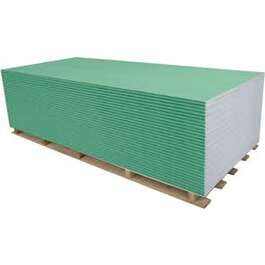
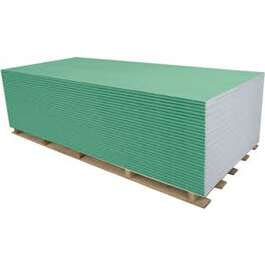
Wind protection plasterboard is a specialized type of gypsum-based sheathing engineered to improve a building's resistance to wind-driven rain, air infiltration, and temporary exposure during construction. Unlike standard interior gypsum board, wind protection plasterboard combines water-resistant surfaces, enhanced dimensional stability, and mechanical strength to act as a protective barrier beneath exterior claddings such as rainscreen systems, composite panels, and masonry. Properly specified and installed, it contributes to envelope durability, indoor comfort, and long-term energy performance.
Key Characteristics and Material Composition
Wind protection plasterboard typically consists of a core of gypsum or other gypsum-based compound encased in fiberglass or cellulose-reinforced facings. The faces are treated or laminated to repel moisture and increase tear and nail resistance. Common characteristics include:
- Water-repellent surface treatment to reduce liquid absorption
- Reinforced facings for improved tensile and impact strength
- Engineered joints and tapered edges to facilitate sealing and finishing
- Compatibility with mechanical fasteners and adhesive systems
- Fire-resistance options dependent on core formulation and additives
Functional Benefits in Building Envelopes
When integrated into an exterior wall assembly, wind protection plasterboard performs several critical functions:
- Air barrier support: It helps reduce uncontrolled air infiltration when taped and sealed properly, which improves HVAC efficiency and occupant comfort.
- Wind-driven rain defense: The treated surface resists short-term water exposure during heavy wind events, preventing migration of water into wall cavities.
- Temporary weather protection: During construction, it protects substrate and insulation before final cladding is applied.
- Substrate for finishes: Provides a stable backing for adhesives and mechanical fixings used by many exterior cladding systems.
Installation Best Practices
Correct installation is essential to realize the performance advantages of wind protection plasterboard. Key practices include:
Substrate Preparation
Ensure framing or sheathing is straight and secure. Check that insulation and vapor control layers are compatible and correctly positioned to avoid trapping moisture.
Panel Attachment and Fastening
Use specified fasteners at recommended spacing. Fasteners should penetrate structural framing sufficiently and be counter-sunk where required. Avoid overdriving screws or nails which can compromise panel integrity.
Sealing and Joint Treatment
Seal butt joints, fastener heads, and panel perimeters with manufacturer-approved tapes, membranes, or mastics to create a continuous barrier. Pay special attention to openings around windows, doors, and penetrations where water and air leakage risks are highest.
Compatibility and System Integration
Wind protection plasterboard is often used as part of a layered exterior wall system. Compatibility checks should include:
- Adhesion to adhesives, sealants, and cladding support systems
- Thermal and moisture interactions with insulation and vapor retarders
- Fire-resistance requirements per building code for the given occupancy and assembly
- Fastener and substrate corrosion considerations in coastal or industrial environments
Sustainability, Durability, and Maintenance
Many wind protection plasterboards contain recycled content and are recyclable at end-of-life, contributing to sustainable construction goals. Durability is enhanced through proper detailing and moisture control; however, long-term performance depends on:
- Correct flashing and drainage plane design to prevent prolonged wetting
- Routine inspection of cladding and seals to address breaches early
- Using appropriate coatings or finishes where additional UV or abrasion resistance is needed
Selecting the Right Product
When choosing wind protection plasterboard, consider project-specific requirements: expected exposure during construction, climatic conditions, fire-rating needs, and the type of exterior cladding. Review manufacturer datasheets for physical properties (water absorption, flexural strength, vapor permeability) and third-party certifications where applicable.
Applications and Typical Use Cases
Common applications include commercial façades, multi-family residential buildings, renovation overlays, and locations where rapid weather protection is needed while exterior finishes are pending. Its use is particularly beneficial in regions with high wind and driving rain, or on tall buildings where envelope performance strongly affects occupant comfort and energy use.
In summary, wind protection plasterboard is a purpose-built component in modern envelope design that balances moisture resilience, mechanical strength, and ease of installation. When specified and installed as part of a coordinated assembly, it helps protect the structure, supports cladding systems, and contributes to long-term building performance.