












Frequently asked questions about the Silicate bricks category
What are Silicate bricks and what are Silicate bricks made of?
Silicate bricks — are building units made from a calcium–silicate binder by mixing sand and lime, pressing and autoclave curing. They have a dense, smooth surface and come in standard sizes such as 250×120×65, 250×100×88 and larger blocks like 250×240×192.
What sizes of silicate bricks are available in this category?
Available sizes include standard bricks 250×120×65 and 250×100×88, blocks 250×240×192 and half-blocks 125×240×192. The range also contains corner units, cover plates and other specialty dimensions.
What are the main characteristics of silicate bricks: strength, density, frost resistance?
Silicate bricks are dense and strong, vapour-permeable and have moderate frost resistance. Exact values depend on the specific product — solid blocks and facing bricks differ in strength class and frost rating, so check the model specs.
What is the weight of a silicate brick or block (approx.)?
Weight varies by size: a standard 250×120×65 brick is about 3–4 kg, 250×100×88 around 3.5–4.5 kg, while 250×240×192 blocks are substantially heavier (tens of kilograms). Check the product sheet for exact weights.
What is the composition of silicate brick and are additives used?
Basic composition is quartz sand and slaked lime with water; pigments or modifiers may be added for colour and enhanced properties. Some elements (corners, caps) can include reinforcement or special finishes—check the product details.
Where are silicate bricks used: foundations, walls, fences, cladding?
Silicate bricks are used for load-bearing and internal walls, facade cladding, fence posts and caps. They are not ideal for constantly wet foundation zones—special foundation blocks are recommended for those areas.
What's the difference between solid and hollow silicate bricks and which to choose?
Solid bricks are denser and stronger for load-bearing walls; hollow bricks are lighter and offer better thermal performance. Choose solid for structural walls and posts, hollow or blocks for lighter or insulated constructions.
What shaped elements are available — corners, caps, skirting and their sizes?
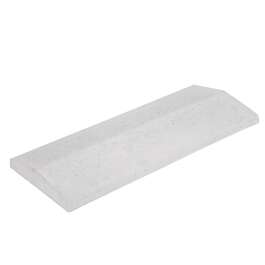
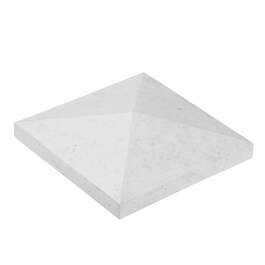
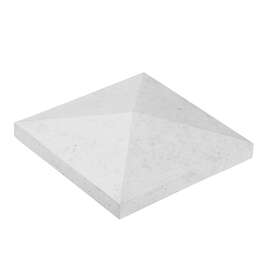
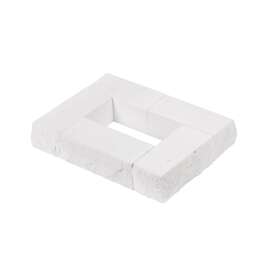
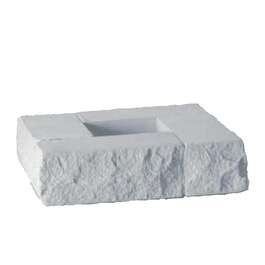
The range includes corner units (e.g. 225×60×65, 230×100×88), caps, skirtings and post modules such as 330×330×120 and 380×380. Exact dimensions are listed per product.
Can silicate brick be used for facade cladding and decorative panels?
Yes, silicate bricks are used for facade cladding and decorative panels due to their smooth surface and variety of shapes. For improved frost resistance and adhesion, pick products designated for facades.
How to choose silicate brick for fence and posts — what to look for?
Choose dense, frost-resistant items: post modules, caps and reinforced corner blocks (e.g. 330×330×120, 380×380). Pay attention to weight, dimensions and compatibility with mounting fixtures.
What decorative and textured variants of silicate bricks are in the range?
The range includes smooth coloured bricks (e.g. LODE FAT120 KIRJU SILE), split-texture corner pieces and textured cover plates and modular panels. The chosen model defines the finish of the facade or fence.
New Arrivals in the Silicate bricks Category in 2026
Best sellers in the Silicate bricks category in 2026
Cheap products in the Silicate bricks category
Expensive products in the Silicate bricks category
Price of products in the Silicate bricks Category
Silicate bricks: 35.48€ — 35.48€ (1)