










Rain- and Stormwater Management Systems
Effective rain- and stormwater systems are essential for protecting urban and rural environments from flooding, erosion, and pollution. These systems manage runoff generated by rainfall events through a combination of conveyance, storage, infiltration, and treatment measures. A well-designed system balances peak flow reduction, water quality improvement, and long-term resilience while integrating with land use and infrastructure planning.
System Components and Functions
Rain- and stormwater systems consist of interconnected components working together to collect, convey, store, and treat runoff. The primary goals are to safely move excess water away from critical areas, reduce peak discharges to receiving waterways, and remove pollutants before discharge.
Surface Conveyance
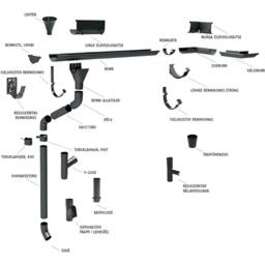
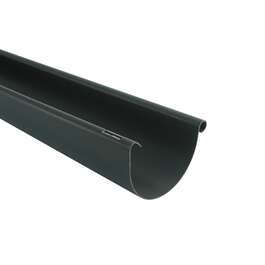
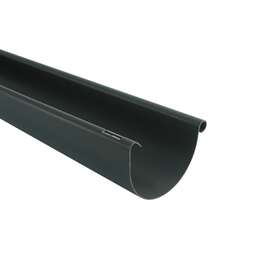
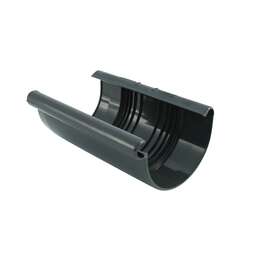
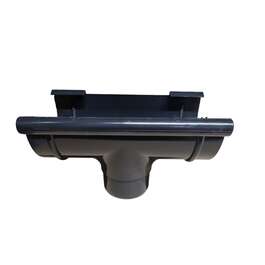
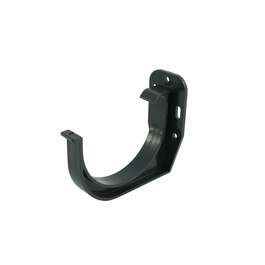
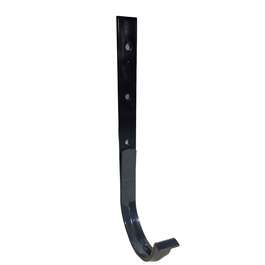
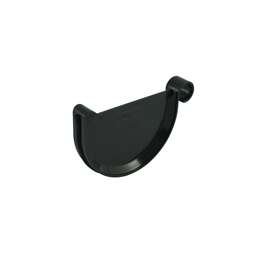
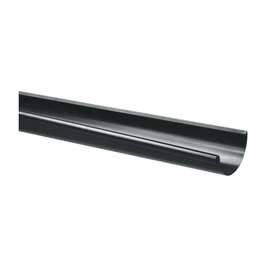
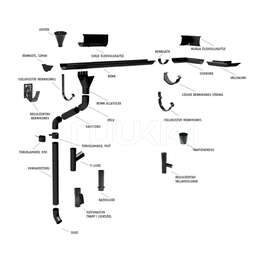
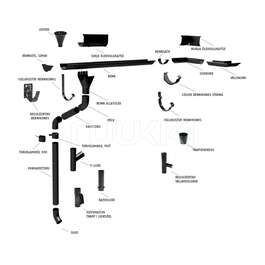
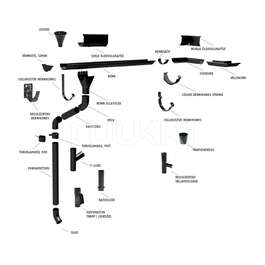
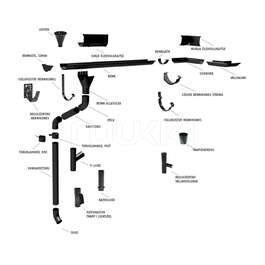
Surface conveyance includes gutters, swales, lined channels, and paved drainageways that transport runoff to larger drains or detention facilities. These elements are often the first line of defense and must be sized for anticipated flow rates and debris loads.
Subsurface Drainage
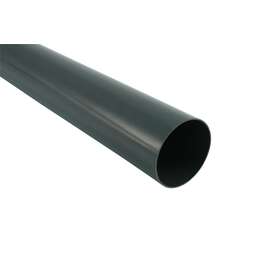
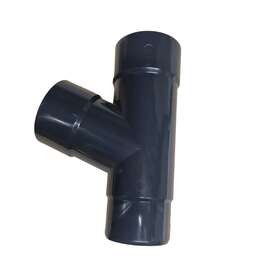
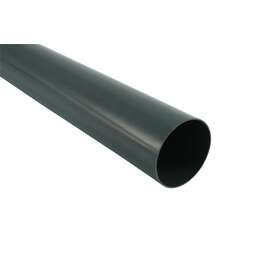
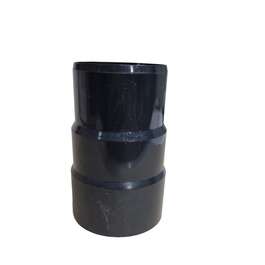
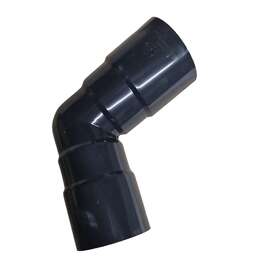
Subsurface drainage comprises pipes, culverts, storm sewers, and subsurface infiltration systems. Proper grading, pipe sizing, and junction design are critical to prevent backups and to ensure reliable transport to treatment or discharge points.
Storage, Attenuation, and Infiltration
Managing volume and peak flow is achieved through detention basins, retention ponds, underground tanks, and infiltration trenches. These features provide temporary storage and controlled release or allow runoff to recharge groundwater.
Detention vs. Retention
Detention facilities temporarily hold stormwater and release it at a controlled rate to downstream systems, reducing flooding risks. Retention systems retain water permanently or for longer periods, promoting evaporation, reuse, or infiltration.
Green Infrastructure Options
Low-impact development (LID) and green infrastructure—such as bioswales, rain gardens, green roofs, permeable pavements, and tree trenches—mimic natural hydrology. These solutions reduce runoff volumes, filter pollutants, and provide co-benefits like urban cooling and biodiversity.
Treatment and Water Quality Management
Stormwater treatment targets suspended solids, nutrients, heavy metals, hydrocarbons, and pathogens. Treatment trains often combine physical, chemical, and biological processes: sedimentation, filtration, vegetative uptake, and adsorption media. Consideration of pollutant sources and local receiving-water standards is crucial when selecting treatment strategies.
Monitoring and Modeling
Hydrologic and hydraulic modeling supports design decisions by predicting runoff volumes, peak flows, and system performance under various storm scenarios. Post-construction monitoring ensures systems meet performance goals and informs adaptive maintenance strategies.
Operation, Maintenance, and Regulatory Context
Routine maintenance—sediment removal, vegetation management, inlet cleaning, and inspection of pipes and valves—preserves system capacity and function. Compliance with local stormwater regulations and permits, including requirements for best management practices (BMPs) and reporting, is mandatory in many jurisdictions.
Best Practices and Resilience
- Integrate green and gray infrastructure to achieve multiple objectives.
- Design for future climate variability and increased storm intensity.
- Implement regular inspection schedules and a clear maintenance plan.
- Engage communities in stewardship and inform stakeholders about system benefits.
By combining sound engineering, ecological approaches, and proactive maintenance, rain- and stormwater systems can reduce flood risk, improve water quality, and enhance urban livability while adapting to changing environmental conditions.