









Concrete Stone Roofs: Durable, Attractive, and Low-Maintenance Roofing Solution
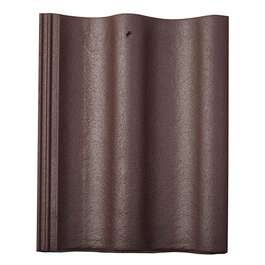
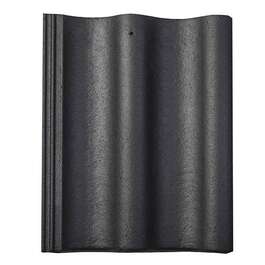
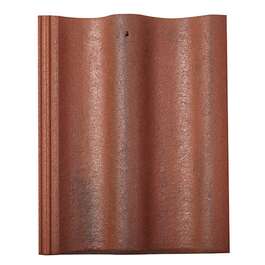
Concrete stone roofs combine the strength of concrete with the visual appeal of natural stone or tile patterns, delivering a roofing option that balances durability, aesthetic versatility, and cost-effectiveness. These systems typically consist of concrete tiles or panels that are textured, colored, or coated to resemble slate, clay, or natural stone, while offering the long service life and fire resistance of a cementitious product.
Key Features and Benefits
Concrete stone roofs are chosen for many reasons. Below are the main benefits that make them a popular option for residential and commercial projects:
- Longevity: Properly installed concrete tiles can last 40–60 years or more, resisting rot and pest damage that affects organic roofing materials.
- Durability: Concrete is highly resistant to wind, hail, and impact. Many products are tested for extreme weather performance.
- Fire resistance: Being non-combustible, concrete tiles provide superior fire protection compared with many organic roofing materials.
- Aesthetic flexibility: Available in a wide range of colors, shapes, and finishes— from matte stone textures to glazed surfaces—concrete roofs can match traditional and contemporary architectural styles.
- Low maintenance: These roofs generally require minimal upkeep—periodic inspections, cleaning gutters, and replacing broken tiles when necessary.
- Sustainability: Many concrete tiles include recycled content and can be recycled at the end of their life, and their thermal mass can improve energy efficiency.
Materials and Manufacturing
Concrete roofing tiles are manufactured by molding cementitious mixes into desired profiles and then curing them. Surface treatments—such as colored pigments, mineral granules, or stone-coated finishes—are applied to achieve a specific look. Advanced manufacturing techniques ensure consistent density and strength, while water-repellent treatments and sealers enhance performance against moisture and freeze-thaw cycles.
Common Tile Profiles
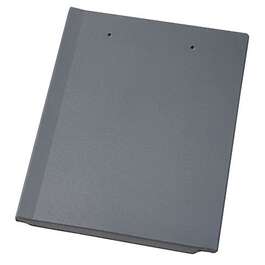
- Flat and interlocking tiles that provide a clean, modern appearance.
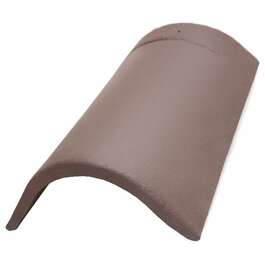
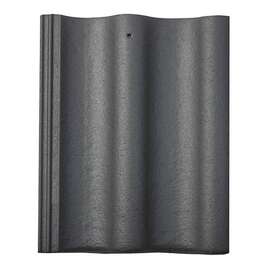
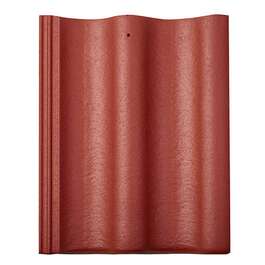
- Roman or S-shaped profiles that emulate traditional clay tiles.
- Slate-look tiles with textured surfaces to mimic natural stone.
Installation and Structural Considerations
Concrete stone roofs are heavier than many other roofing materials, so roof framing and structural support must be evaluated before installation. An experienced roofing contractor will assess the load capacity of the roof deck and rafters and may recommend reinforcement if needed. Proper underlayment, flashing, ventilation, and secure fastening are essential to ensure weather tightness and long-term performance.
Installation Best Practices
- Use appropriate underlayment and a breathable membrane to manage moisture.
- Follow manufacturer guidelines for fasteners and spacing to prevent wind uplift.
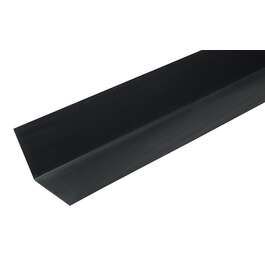
- Install proper flashing at valleys, chimneys, and roof intersections to avoid leaks.
- Allow for adequate ventilation to reduce heat buildup and moisture accumulation.
Maintenance and Lifespan
Routine maintenance is straightforward: remove debris, inspect and replace cracked tiles, clear gutters, and check flashings and roof penetrations. Periodic cleaning of moss or algae buildup and reapplication of certain protective coatings can extend aesthetic life. With proper care, concrete stone roofs retain structural integrity and appearance for decades.
Cost and Value Considerations
Initial costs for concrete stone roofs are often higher than asphalt shingles but lower than some natural stone or high-end slate options. When evaluating cost, consider the long-term value: energy savings from thermal mass, reduced replacement frequency, and increased curb appeal contribute to favorable life-cycle economics. Warranties vary by manufacturer and product—confirm coverage details for materials and workmanship.
Choosing the Right Product
Selecting the best concrete stone roof involves balancing aesthetic goals, local climate conditions, structural limits, and budget. Work with manufacturers and certified installers to review samples, colorfastness, and performance data. Local building codes and homeowner association guidelines should also be checked before finalizing a design.
Final Recommendations
Concrete stone roofs are an excellent choice for homeowners and designers seeking a long-lasting, fire-resistant, and visually appealing roofing solution. When properly specified and installed, they deliver dependable protection and contribute significant architectural character to a building for many decades.
Show more Collapse