







Hydro-Insulation and Reinforcement Materials for Durable Construction
Hydro-insulation (waterproofing) and reinforcement materials form a critical combination for ensuring longevity, safety, and performance of buildings and infrastructure. Properly designed systems protect structures from moisture ingress, mitigate corrosion and freeze-thaw damage, and enhance structural capacity where loads and environmental stresses are significant. This overview outlines common material types, applications, selection criteria, and best-practice considerations.
Types of Hydro-Insulation Materials
Membrane Systems
Sheet membranes (e.g., bituminous, PVC, TPO) and liquid-applied membranes (polyurethane, acrylic, cementitious elastomers) create continuous barriers against water. Sheet membranes are factory-produced and typically require heat or adhesives for seams; liquid-applied products cure in place and conform to complex shapes.
Cementitious Coatings
Cement-based waterproofing mixes are popular for below-grade and wet-area applications because they bond to concrete and masonry and are easy to apply. They are often used in basements, tunnels, and water-retaining structures.
Crystalline and Integral Systems
Crystalline admixtures react chemically with free lime and moisture in concrete to block capillaries, providing integral waterproofing. These are used in cast-in-place concrete to reduce permeability without an added membrane.
Reinforcement Materials
Steel Reinforcement
Deformed reinforcing bars (rebar) and welded wire mesh provide primary tensile strength for concrete elements. Corrosion protection (epoxy coating, stainless steel, galvanization) is essential in aggressive environments.
Fiber Reinforcement
Synthetic (polypropylene, nylon) and steel fibers dispersed in concrete improve crack resistance, ductility, and impact performance. Fibers can reduce the need for secondary reinforcement and improve durability.
Composite and FRP Systems
Fiber-reinforced polymer (FRP) sheets and plates are used for strengthening existing structures, providing high strength-to-weight ratios and corrosion resistance. They are typically bonded to concrete or masonry surfaces with specialized adhesives.
Selection and Installation Considerations
Choose materials based on exposure conditions (immersion, hydrostatic pressure, freeze-thaw), substrate compatibility, expected movements, and maintenance requirements. Proper surface preparation, correct detailing at joints and penetrations, and compatibility between waterproofing and reinforcement systems are crucial. For reinforced concrete, coordinate placement and cover to protect rebar and ensure effective waterproofing.
Performance and Sustainability
Long-term performance depends on quality of materials and workmanship. Consider low-VOC liquid membranes, recyclable reinforcement options, and technologies that reduce lifecycle carbon footprint. Regular inspection and maintenance extend service life and reduce the need for invasive repairs.
In summary, integrating appropriate hydro-insulation with tailored reinforcement strategies delivers durable, resilient structures. Early design coordination and following manufacturer guidelines and industry standards will maximize effectiveness and lifespan of the chosen systems.
Show more CollapseFrequently asked questions about the Hydro-insulation and reinforcement materials category
Why is waterproofing needed if tiles and grout are water-resistant?
What is waterproofing tape and where is it used?
What is the purpose of waterproofing gaskets (pipe collars)?
Can I apply waterproofing over standard plaster?
How many coats of waterproofing should I apply?
What is the optimal thickness of the waterproofing layer?
Is waterproofing compatible with underfloor heating?
Can I tile directly onto the waterproofing layer?
Why is a primer necessary before applying the membrane?
Can I use plastic sheeting (polyethylene) instead of liquid waterproofing?
What is the difference between cement-based and two-component epoxy waterproofing?
How long does a waterproofing layer last?
Do corners need additional mesh if I'm using tape?
How should I prepare the surface before starting?
New Arrivals in the Hydro-insulation and reinforcement materials Category in 2026
Best sellers in the Hydro-insulation and reinforcement materials category in 2026
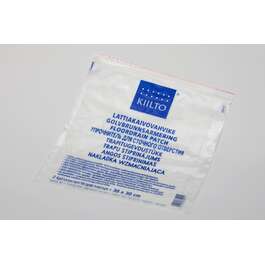
- HÜDR.NURGATUGEVDUS SISE KIILTO — 5.79€
- HÜDR.NURGATUGEVDUS VÄLI KIILTO — 5.79€
- HÜDR.NURGATUGEVDUS VÄLIS MIRA — 5.70€
- WATERPROOFING FABRIC WEBER FM 0,8x10m — 26.18€
- WATERPROOFING TAPE KIILTO 20cmX25m — 21.44€
Cheap products in the Hydro-insulation and reinforcement materials category
Expensive products in the Hydro-insulation and reinforcement materials category
- Waterproofing WEBER TEC822 H. 24kg — 124.95€
- Waterproofing KIILTO FIBERGUM 14kg — 107.59€
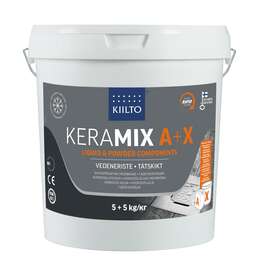
- WATERPROOFING COMPOUND KIILTO KERAMIX A+X 5+5kg — 95.68€
- Waterproofing KIILTO FIBERGUM 20kg — 94.40€
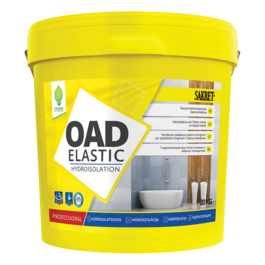
- Waterproofing SAKRET OAD+ 20kg — 93.45€