










Roof Overview and Importance
The roof is one of the most critical components of any building, providing protection from weather, contributing to energy efficiency, and defining part of the structure’s aesthetic. A well-designed and properly maintained roof enhances comfort, prevents water intrusion, and extends the life of the entire building envelope. This overview explores common roof types, materials, performance factors, maintenance tips, and sustainability options for homeowners, builders, and designers.
Common Roof Types
Different roof styles serve varied architectural needs and climate conditions. Choosing the right roof type depends on factors such as local weather, budget, structural requirements, and desired appearance.
Gable Roof
The gable roof is a classic, triangular shape that sheds water and snow easily. Its simplicity makes it cost-effective and widely used in residential construction. It also provides good attic ventilation and additional interior space under the roof.
Hip Roof
Hip roofs slope on all four sides and are recognized for their stability and wind resistance. They are often chosen in regions prone to high winds or hurricanes, although they may be slightly more expensive due to their complex framing.
Flat Roof
Flat roofs are common for commercial buildings and modern residential designs. Despite the name, they have a slight slope to direct water to drains. Flat roofs allow for rooftop equipment, terraces, or green roof systems, but they require careful waterproofing and regular maintenance.
Roofing Materials
The choice of roofing material affects longevity, insulation, weight on the structure, and overall cost. Each material offers distinct advantages and maintenance needs.
Asphalt Shingles
Asphalt shingles are affordable, versatile, and easy to install. They are available in various colors and styles and typically offer a lifespan of 15–30 years depending on quality and climate.
Metal Roofing
Metal roofs—made from steel, aluminum, or copper—are durable, fire-resistant, and reflect heat, improving energy efficiency. Their lifespan can exceed 50 years when properly maintained.
Tile and Slate
Clay or concrete tiles and natural slate provide exceptional longevity and aesthetic appeal. They are heavier than other options, requiring a structurally sound roof deck, and generally come with higher upfront costs but low maintenance over many decades.
Performance Factors: Insulation and Ventilation
Roof performance is not only about surface materials. Proper insulation and ventilation determine thermal comfort, energy consumption, and moisture control.
Insulation
Well-installed insulation reduces heat transfer through the roof, lowering heating and cooling costs. Common options include fiberglass batts, spray foam, and rigid foam boards, each suited to different assemblies and climate zones.
Ventilation
Balanced attic ventilation prevents moisture buildup and reduces heat accumulation in summer. Ridge vents, soffit vents, and powered vents can be combined to maintain airflow and prolong roofing material life.
Maintenance and Longevity
Regular inspection and preventive maintenance are essential to maximize roof lifespan. Simple practices can prevent costly repairs and premature replacement.
Inspection Routine
- Inspect for missing, cracked, or loose shingles after storms.
- Clear debris from gutters and downspouts to prevent water backup.
- Check flashing around chimneys, skylights, and roof penetrations for seal integrity.
- Address moss, algae, or organic growth promptly to avoid material deterioration.
When to Replace
Signs that a roof needs replacement include widespread material failure, persistent leaks, excessive granule loss (for shingles), and multiple repairs within a short timeframe. Professional assessment helps determine whether repair or full replacement is the most cost-effective solution.
Sustainable and Modern Options
Contemporary roofing integrates sustainability and technology. Cool roofs, solar shingles, and green roofs reduce environmental impact while providing functional benefits.
Green Roofs
Green roofs support vegetation and reduce stormwater runoff, improve insulation, and extend the lifecycle of roofing membranes. They require proper structural support and waterproofing systems.
Solar Integration
Photovoltaic panels and solar shingles are increasingly compatible with diverse roof types, enabling buildings to generate electricity and achieve energy savings over time.
Choosing the right roof involves balancing aesthetics, budget, climate considerations, and long-term performance. Consulting with licensed roofing professionals ensures that material selection, installation, and maintenance strategies align with project goals and local codes.
Show more CollapseFrequently asked questions about the Roof category
Roof — what is it and why is a roof needed?
What roofing materials are available in the "Roof" category?
How to choose between bitumen shingles and metal roofing for a house?
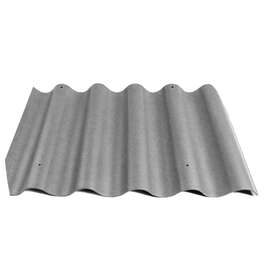
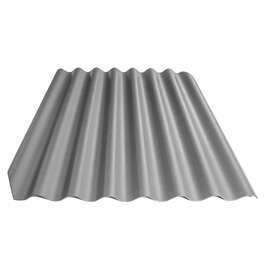
What is Eterniit (fibre cement) and where is it used?
What Eterniit sheet sizes are listed in the catalogue?
Which roofing underlays and tapes are needed for installing soft bitumen roofing?
Which roofing accessories are commonly purchased with the materials?
What roof types are mentioned in the category description and how do they affect material choice?
Which roof paints and coatings are suitable for restoring an old roof?
Which technical parameters to check on datasheets when choosing roofing materials?
New Arrivals in the Roof Category in 2026
- TAKUKÖIS 12MM/10M — 20.70€
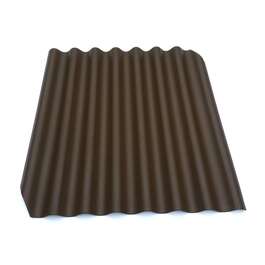
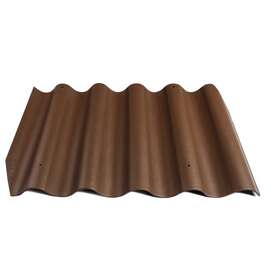
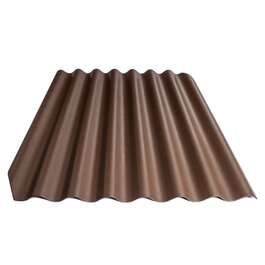
- CORRUGATED SHEET EVO 95/34 PRUUN 0,95X2M — 19.00€
- TAKUKÖIS 14mm/10m — 21.99€
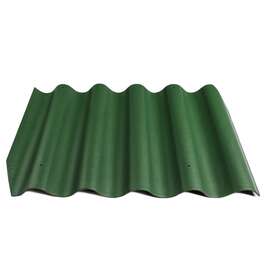
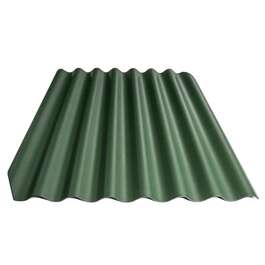
- CORRUGATED SHEET EVO 95/34 ROHELINE 0,95X2M — 19.00€
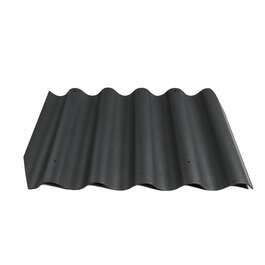
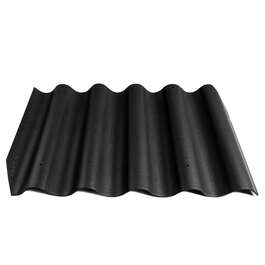
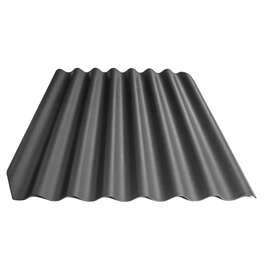
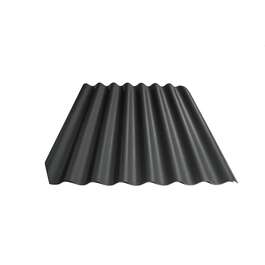
- CORRUGATED SHEET EVO 95/34 MUST 0,95X2M — 19.00€
Best sellers in the Roof category in 2026
Cheap products in the Roof category
- ETERNIIDI KRUVI 110X6 HALL — 0.73€
- ETERNIIDI KRUVI 110X6 KIRSIPUNANE — 0.73€
- GAAS SPECIALIST BASIC 190G BUTAAN — 2.29€
- POLYCARBONATE U PROFILE 4MM — 2.67€
- POLYCARBONATE U PROFILE 6MM — 2.67€