




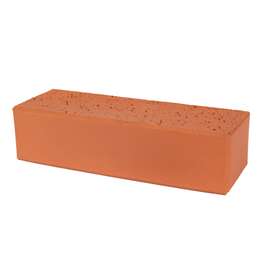
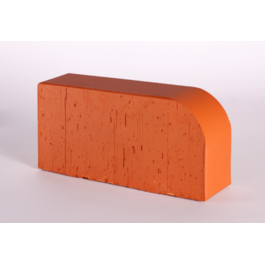


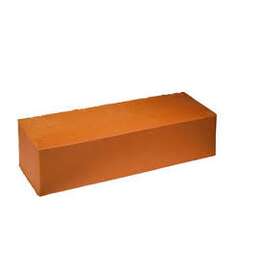
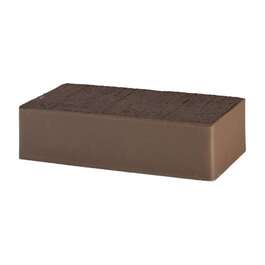

Durable natural masonry products for every project
Welcome to our selection of clay bricks — a curated range of high-quality clay bricks designed for both professional builders and DIY enthusiasts. This category includes traditional solid bricks, perforated and hollow formats, facing bricks for visible facades, and handcrafted varieties for restoration and decorative work. Each product is sourced from reputable manufacturers and tested for strength, frost resistance, and consistent dimensions to ensure reliable results on the job.
Types and variations available
Clay bricks come in multiple formats to suit structural, aesthetic, and budgetary requirements. In our clay bricks category, you will commonly find:
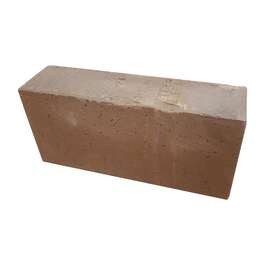
- Solid clay bricks — dense and load-bearing, ideal for foundations and structural walls.
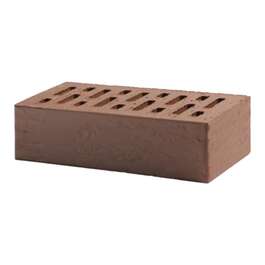
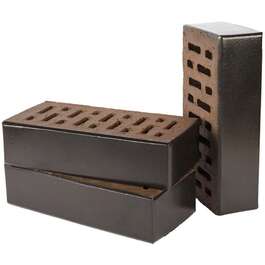
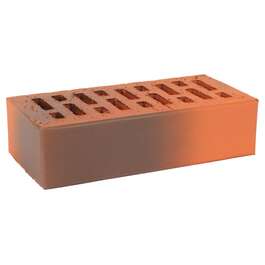
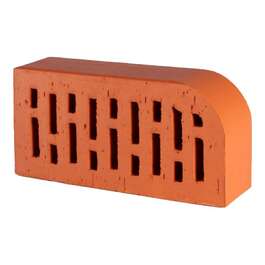
- Perforated bricks — lighter, with better thermal properties and easier handling.
- Hollow clay bricks — optimized for reduced weight and improved insulation in non-load-bearing partitions.
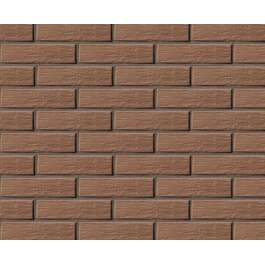
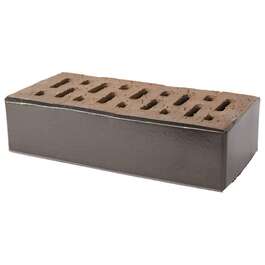
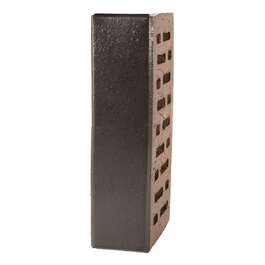
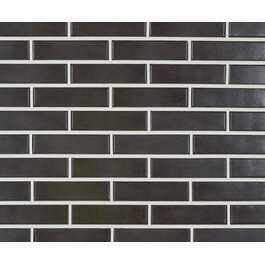
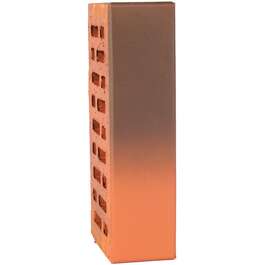
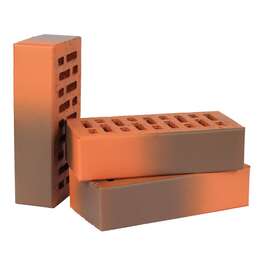
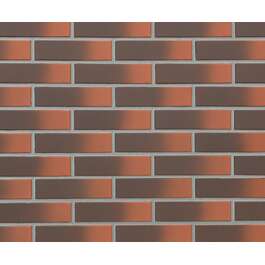
- Facing bricks — high-quality surface finish for external walls and visible facades.
- Reclaimed and handmade bricks — for historic restorations and unique architectural aesthetics.
We also offer a range of colors, textures, and standard sizes to match project specifications and local building codes.
Where clay bricks are used / applications
Clay bricks are one of the most versatile building materials. Typical applications include:
- Residential and commercial load-bearing walls
- Exterior facades and cladding
- Interior partition walls and feature surfaces
- Garden walls, retaining walls, and hardscape elements
- Fireplaces, chimneys, and other high-temperature areas
Because of their durability and thermal mass, clay bricks are suitable for both new construction and renovation projects in most climates.
How to choose the right brick
Selecting the correct brick depends on several factors, including structural requirements, exposure to weather, aesthetic goals, and budget. Consider the following:
- Strength class and frost resistance — essential for external load-bearing elements.
- Format and weight — choose solid for strength, perforated or hollow for insulation and lighter load.
- Surface finish and color — ensure consistency if visible on the facade; order samples if needed.
- Dimensional tolerance — critical when aligning with lintels, blocks, and mortar joints.
- Certification and compliance — check for local standards and material certificates.
Practical tip
Order slightly more bricks than estimated to cover cuts, waste, and potential breakage — a reserve of 5–10% is common for most projects.
Advantages of buying from our online store
Choosing our online store for your [name] needs delivers convenience, selection, and expertise. Benefits include:
- Wide range of verified products from trusted suppliers.
- Detailed specifications, technical sheets, and product photos to compare options.
- Competitive pricing, bulk discounts, and transparent shipping terms.
- Expert customer support to help match bricks to your project requirements.
- Fast ordering and reliable delivery scheduling to the site.
Whether you are sourcing materials for a renovation or planning a new build, our [name] category is structured to help you make an informed choice and complete your work with confidence.
Show more CollapseFrequently asked questions about the Clay bricks category
What are clay bricks and where are they used?
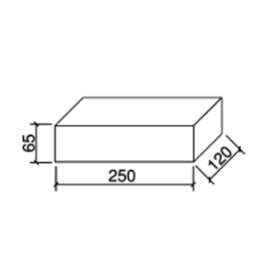
What sizes of clay bricks are available in the catalogue?
What is the weight of a clay brick and does it affect foundation calculations?
What is the difference between solid and hollow clay bricks?
Are clay bricks suitable for building a stove?
What is facing (clay) brick and where to use it?
What is the thermal conductivity of clay bricks and how does it affect wall insulation?
How to choose clay brick for exterior facing?
What is the difference between general-purpose (row) and facing clay bricks?
New Arrivals in the Clay bricks Category in 2026
- BRICK LODE VTT120 PUNANE SILE — 1.59€
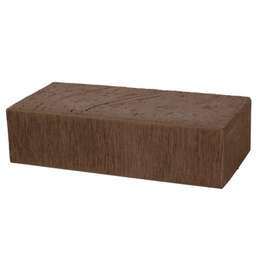
- BRICK LODE VTT120 brown SILE — 2.09€
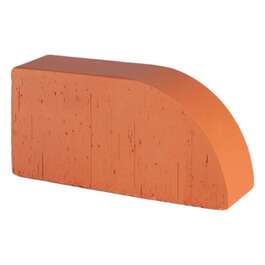
- BRICK LODE VTT120 F17 PUN.SIL — 2.77€
- BRICK LODE VTT120 F15 PUN.SIL — 2.59€
- BRICK LODE TT120 AHJU PUN.SIL — 1.19€
Best sellers in the Clay bricks category in 2026
- BRICK LODE FTT65 PUNAN.SILE — 1.29€
- BRICK LODE TT120 AHJU PUN.SIL — 1.19€
- BRICK LODE VTT120 F15 PUN.SIL — 2.59€
- BRICK LODE VTT120 F17 PUN.SIL — 2.77€
- BRICK LODE VTT120 brown SILE — 2.09€
Cheap products in the Clay bricks category
Expensive products in the Clay bricks category
- BRICK LODE VTT120 F17 PUN.SIL — 2.77€
- BRICK LODE VTT120 F15 PUN.SIL — 2.59€
- BRICK LODE VTT120 brown SILE — 2.09€
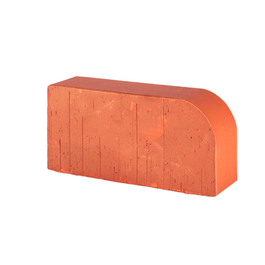
- BRICK LODE FTT65 F15 PUN.SILE — 1.84€
- BRICK LODE VTT120 PUNANE SILE — 1.59€