


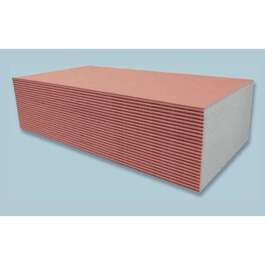
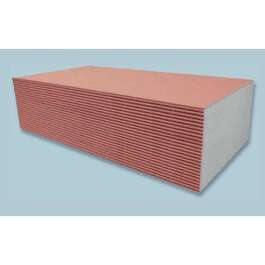
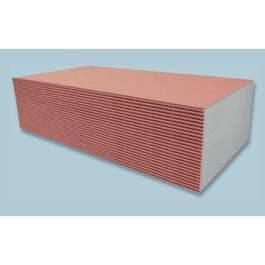
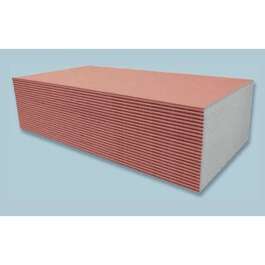
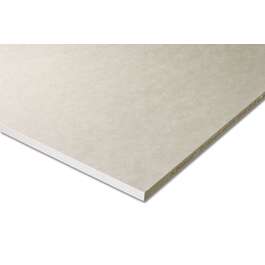
Fire Resistant Plasterboard: Overview and Applications
Fire resistant plasterboard (also called fire-rated gypsum board or fireboard) is a specialized building material designed to slow the spread of fire and maintain structural integrity for a specified period. It is widely used in commercial, residential, and industrial construction where enhanced fire performance is required, such as in partition walls, ceilings, service shafts, stairwells, and around structural steelwork. This description outlines its composition, performance characteristics, common applications, standards, and installation considerations.
Composition and Key Properties
Fire resistant plasterboard typically consists of a gypsum core augmented with additives and reinforcing fibers, faced on one or both sides with high-strength paper or glass-fiber mats. Some variants include foil or cementitious layers for additional protection. Key properties include:
- Improved fire resistance compared to standard plasterboard, often tested to provide 30, 60, 90, 120 minutes or more of fire protection.
- Controlled thermal decomposition of gypsum that releases water vapor, helping to limit temperature rise and retard flame spread.
- Good dimensional stability and mechanical strength suitable for partitions and lining applications.
- Available variations combining moisture resistance, impact resistance, and acoustic performance.
Certifications and Fire Ratings
Fire resistant plasterboard is evaluated under national and international test standards to verify performance. Common standards and classifications include:
- EN 13501-1 (European reaction to fire classification)
- EN 1364 / EN 1365 (fire resistance tests for non-loadbearing and loadbearing elements)
- ASTM E119 and UL 263 (fire resistance tests widely used in North America)
- Local building codes and standards such as BS 476 in the UK
When selecting a product, check manufacturer test reports for the specific assembly (board thickness, framing, insulation, and jointing) to achieve the required fire resistance period.
Applications
Typical uses include:
- Fire-resisting partitions and corridor walls
- Ceiling systems in multi-storey buildings
- Encasing structural steel to protect loadbearing elements
- Enclosures for lift shafts, stairwells, plant rooms, and service risers
- Renovations where compliance with updated fire regulations is needed
Installation and Finishing
Cutting and Fixing
Boards are generally cut with a utility knife for clean edges and fixed to metal or timber studs using corrosion-resistant screws. Proper fixing centres and staggered joints are essential to meet tested system performance.
Jointing and Decoration
Sealing joints with approved tapes, compounds, and fire-rated sealants preserves the board’s integrity. Finishes can include skim plaster, paint, or tiled surfaces, provided they do not compromise the fire rating.
Performance Considerations and Limitations
While fire resistant plasterboard significantly improves passive fire protection, its performance depends on whole-system design: stud spacing, insulation, penetrations for services, and correct sealing of joints and openings. Always follow manufacturer instructions and validated fire-resistance details. For critical applications, consult a fire engineer or refer to tested system reports to ensure compliance with applicable codes.
In summary, fire resistant plasterboard is a versatile, tested solution for improving building fire safety when specified and installed as part of a complete, approved system.
Show more Collapse