


How to Choose 600x600 and 1200x600 Ceramic Tiles for Your Home in 2026

Ceramic tile remains one of the most durable and reliable materials for floors and walls in both private houses and apartments. In 2026, choosing the right tile is no longer just about color or brand — technical performance and climate conditions matter just as much.
When selecting tiles, consider:
- format (600x600, 1200x600, 100x100)
- wear resistance class (PEI)
- frost resistance
- compatibility with underfloor heating
- surface type (matte, satin, glossy)
- batch calibration and shade variation
- climate conditions (Estonia, Finland)
From practical experience, technical details are what determine long-term durability and maintenance costs.
Main Tile Formats for Private Homes
600x600 Format — The Universal Standard
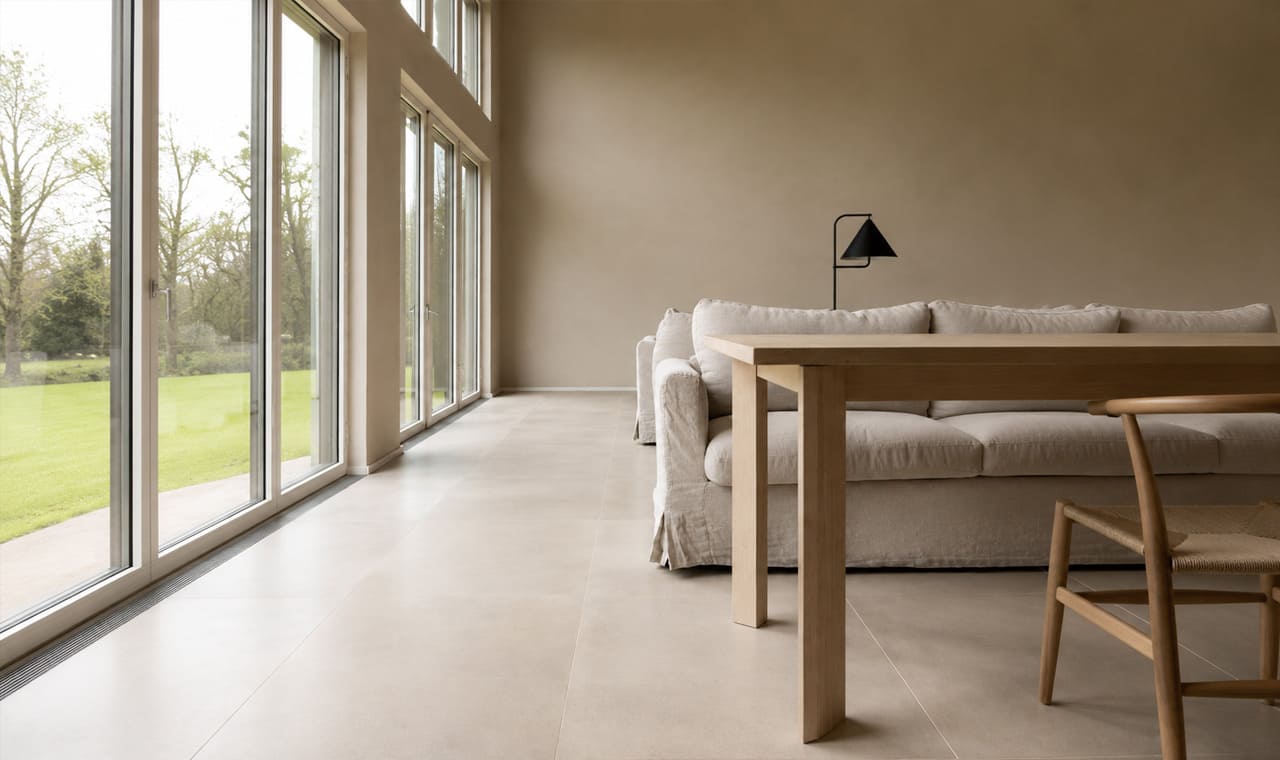
The 600x600 format is currently the most balanced choice for private houses and open-plan apartments.
Advantages:
- fewer grout joints
- visually cleaner and more uniform surface
- modern minimalist appearance
- easy maintenance
Best suited for:
- living rooms and kitchens
- hallways
- rooms with water-based underfloor heating
In Estonia and Finland, 600x600 tiles perform especially well with air-to-water heating systems and hydronic underfloor heating.
1200x600 Format — Monolithic Surface Effect
The 1200x600 format creates a more architectural and premium appearance.
Commonly used for:
- marble-look surfaces
- concrete textures
- bathroom feature walls
- spacious living areas
Advantages:
- fewer visible joints
- large slab effect
- contemporary architectural aesthetic
Important: large-format tiles require a perfectly level substrate and professional installation.
100x100 Tiles on Mesh for Showers and Saunas
In Finland and other Nordic countries, 100x100 tiles on mesh are widely used in shower areas and saunas.
This is primarily a technical solution rather than a design preference.
Reasons:
- easier to create floor slope toward the drain
- better precision in drainage geometry
- reduced risk of standing water
- improved slip resistance due to more grout joints
When using large formats such as 600x600 in sloped areas, tiles often need to be cut into segments to ensure proper water drainage. The 100x100 format avoids complex cutting and allows a technically correct installation.
Technical Properties and Performance Factors
Tiles for Underfloor Heating
Ceramic tiles are one of the best flooring materials for water-based underfloor heating due to their high thermal conductivity.
Important factors:
- low water absorption
- stable dimensions
- flexible tile adhesive
- proper substrate preparation
Frost Resistance for Outdoor Areas
For terraces, entrance areas, and steps, frost resistance is essential.
Key parameters:
- low water absorption
- slip resistance class R10–R11
In the Estonian and Finnish climate, significant temperature fluctuations can cause unsuitable tiles to crack within just a few seasons.
Calibration and Shade Variation
Even tiles from the same collection may vary between batches in:
- shade (tone variation)
- actual size (calibration)
It is recommended to order the full quantity from a single batch and include a 5–10% surplus.
Matte vs Glossy Surface
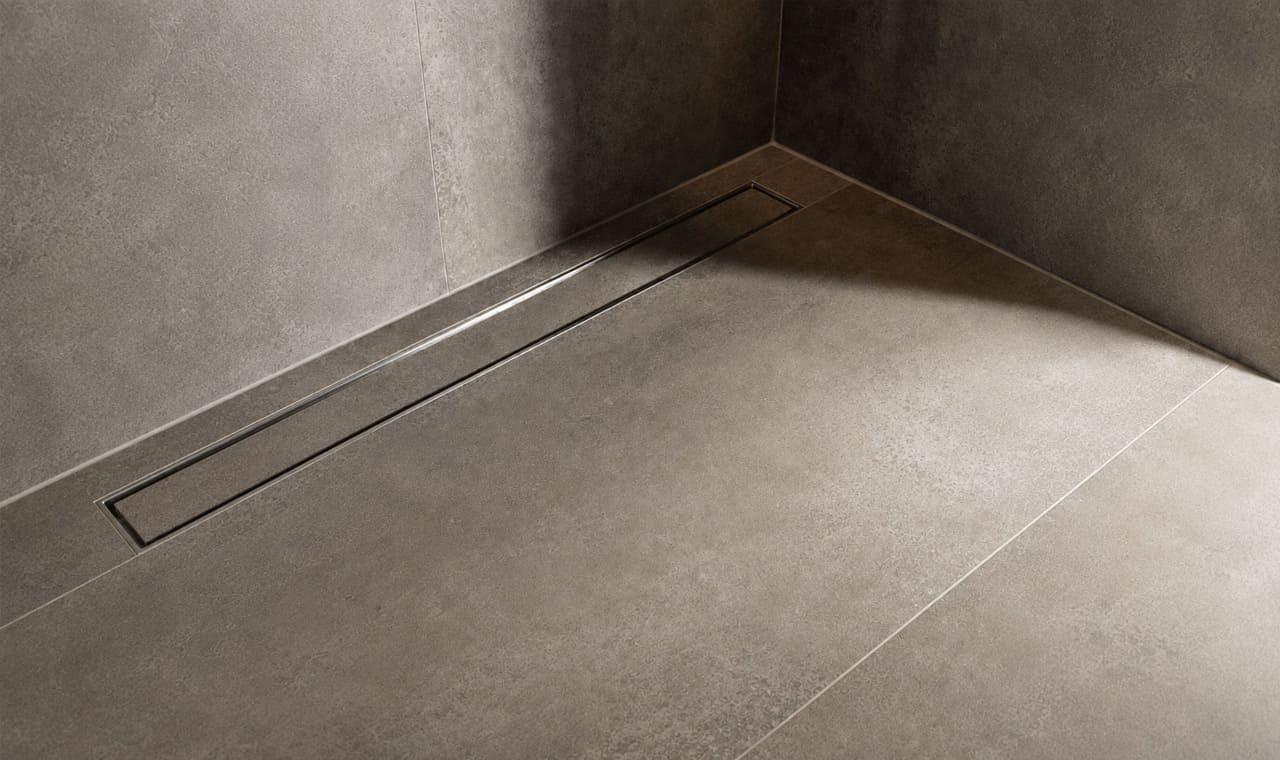
Matte tiles:
- less slippery
- more practical for kitchens and hallways
- better at concealing daily wear
Glossy tiles:
- reflect light
- visually enlarge spaces
- require more frequent cleaning
In Nordic interiors, matte and satin finishes are generally preferred.
Tile Trends in 2026
- concrete-look surfaces
- marble-look tiles in 1200x600 format
- warm beige tones
- natural stone aesthetics
- minimal grout joints
In Estonia and Finland, neutral grey and beige tones in 600x600 format remain especially popular.
Products from this article

Wall tile 15X30 Grey 100 LÄIKIV 2.sort
9.94€
Pre-Order

Wall tile 15X30 Grey 140 LÄIKIV 2.sort
9.94€
Pre-Order
Wall tile 20X40 IDYLLE SAND
21.77€
Pre-Order
Wall tile 20X40 IDYLLE SAND DECOR
24.51€
Pre-Order

Wall tile 20X40 IDYLLE WHITE
0.00€
Pre-Order
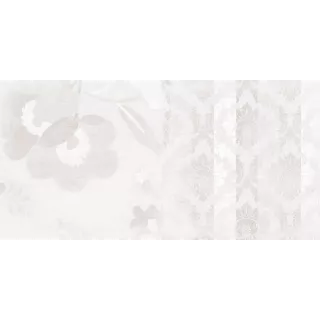
Wall tile 20X40 IDYLLE WHITE DECOR
0.00€
Pre-Order
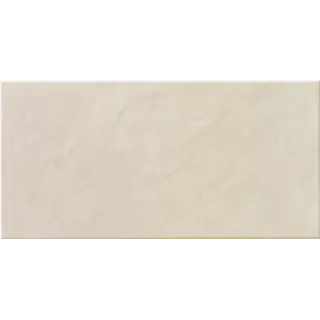
Wall tile 20X40 STYLE BEIGE
21.77€
Pre-Order
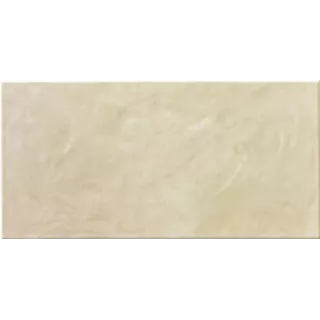
Wall tile 20X40 STYLE BEIGE DECOR
24.51€
Pre-Order