




Frequently asked questions about the Work gloves category
What are Work gloves and what tasks are they used for?
Work gloves — are protective gloves designed to guard hands against mechanical, thermal and chemical risks during construction, assembly, warehouse handling and precision tasks; the category includes leather, nitrile, latex, insulated and disposable models with varying protection levels.
What are the benefits of leather work gloves and when to choose them?
Leather gloves are durable and abrasion-resistant, ideal for construction, metalwork and light welding; reinforced models protect from sparks and heavy mechanical wear.
Are there work gloves without fingers and what are they suitable for?
Yes — fingerless work gloves offer excellent tactile sensitivity and mobility for assembly, precision tasks and tool handling, but provide reduced protection against cuts and cold.
What warm and winter work gloves are in the catalogue?
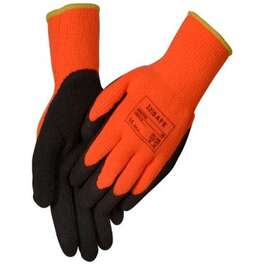
The catalogue includes insulated and winter gloves with fleece liners and latex or nitrile coatings; featured models include Mechanix ColdWork, Tamrex and Wortex designed for cold-weather work.
Are there heated work gloves available?
The category lists specialised winter models and some heated gloves; these typically use electric heating for prolonged cold-weather work — check the individual product page for availability and specs.
Which work gloves are best for precision work and assembly?
For precision tasks choose thin nitrile or latex gloves with a snug anatomical fit and micro-dot or thin coating; they deliver superior tactile sensitivity and grip for assembly and detailed handling.
How do Wurth work gloves differ from other brands in the catalogue?
Wurth gloves are professional-grade with ergonomic fit and durable materials; the catalogue also offers Mechanix, Wortex and Tamrex, which differ by coating type, insulation and intended use — compare specific features like liner and cut rating.
Which gloves are suitable for welding and spark protection?
Choose reinforced leather welding gloves with a heat-resistant liner and long cuff; these protect against sparks, molten metal splashes and mechanical hazards.
How to choose the size of work gloves and what to check when trying them?
Select size by palm circumference and finger length; gloves should fit snugly without restricting movement. Check finger mobility, grip on surfaces and that the cuff or closure secures the glove.
Which work gloves protect against chemicals and when to choose nitrile/latex models?
Nitrile and latex gloves protect against oils, solvents and many chemicals; nitrile offers superior chemical and puncture resistance, while latex gives better elasticity and tactile sensitivity for lab and hygiene tasks.