


Frequently asked questions about the Work footwear category
Work footwear — what is it and what is it for?
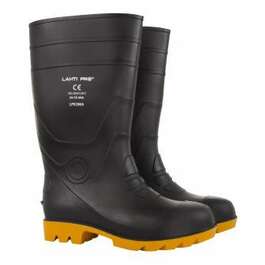
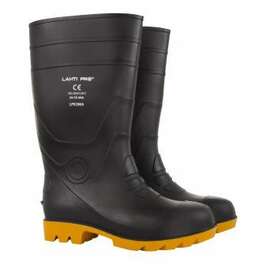
Work footwear is protective gear designed to shield feet from mechanical damage, punctures, impacts and slipping. The Work footwear category includes work boots, sandals and safety boots with steel or composite toe caps, slip-resistant soles and insulated winter models for construction, industry and outdoor work.
Work footwear Strauss — how does it differ from regular work boots?
Strauss footwear typically features reinforced construction, durable materials and a comfortable last. When choosing Strauss models, check for a steel toe, SRC/HRO slip-resistant sole and the upper material (leather, nubuck, textile) specified for the intended work conditions.
Work footwear with a metal toe — who needs it and what specs matter?
Work footwear with a metal toe is for tasks with crush or impact risk (construction, warehousing). Important specs are protection class (S1, S3), toe material (steel or composite), slip-resistant sole rating (SRC/HRO) and durable upper material (leather or robust textile).
Work footwear men's — how to choose the right size and fit?
Measure your foot at the end of the day wearing the socks you’ll use at work and check the manufacturer’s size chart. Allow 0.5–1 cm of toe room and ensure a snug but not tight heel for stability during work.
Work footwear women's — how do they differ and what to watch for?
Women’s work footwear uses a narrower last and anatomical insoles tailored to female feet while offering the same protection classes (S1, S3), steel toes, antistatic and slip-resistant soles. Choose width, cushioning and ventilation appropriate for your work shifts.
Work footwear summer — which models suit hot weather?
Summer work footwear includes work sandals and breathable low shoes with perforated uppers or mesh panels. Look for a model with a protective toe (composite or steel), good ventilation, lightweight EVA or PU sole and an anatomical insole for comfort in heat.
Work footwear Czechia / Germany / Puma — how do they differ by quality and maker?
Czech and German footwear commonly meet EU quality standards, with reinforced soles and safety certification; Puma offers industrial and lighter protective models with a sportier last and design. Compare protection class (S1, S3), upper material, toe type (steel/composite) and sole properties (SRC/HRO).
How to choose between work boots, safety boots and sandals in our category?
Choose boots for general tasks and construction sites, safety boots for wet/muddy conditions, and work sandals for hot climates and light duties. Consider toe protection, protection class (S1–S3), sole rating (SRC/HRO) and upper material for required protection and comfort.
Which soles are better for work — SRC, HRO, PU or EVA?
SRC denotes high slip resistance on ceramic and steel; HRO indicates heat resistance; PU and EVA are lightweight cushioning materials. For general work choose SRC+PU or SRC+PU+EVA; for hot surfaces opt for HRO-rated soles.
Which protection standards and classes are in the catalogue and what do S1/S3 mean?
Catalogue models use classes: S1 — basic protection with toe cap, antistatic and cushioning; S3 — adds water resistance and puncture resistance plus slip-resistant sole. Choose based on your workplace safety requirements.
How to care for leather and textile work footwear to extend life?
For leather footwear clean dirt regularly, apply conditioner or water-repellent cream and dry at room temperature; for textile models use a soft brush and appropriate cleaner. Replace insoles when worn and inspect soles for cracks, especially on PU/EVA models.