


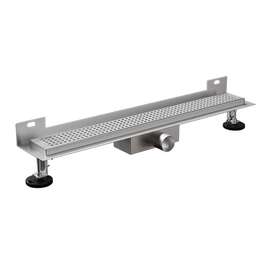
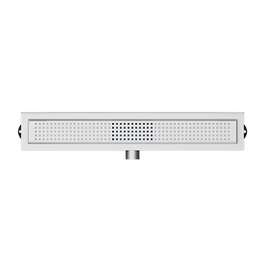

In Stock
87.40€ / pc.
Ex Tax: 70.48€ / pc.
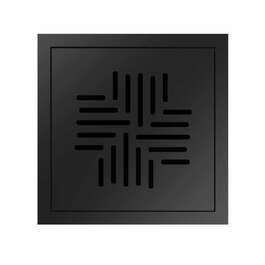
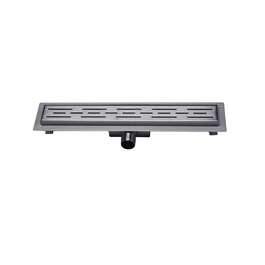
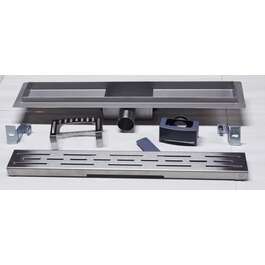
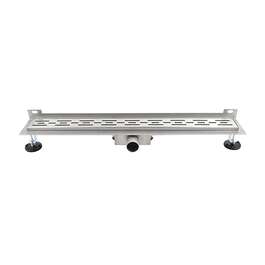
In Stock
84.64€ / pc.
Ex Tax: 68.26€ / pc.
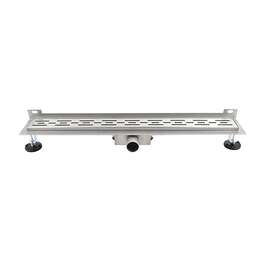
In Stock
78.19€ / pc.
Ex Tax: 63.06€ / pc.
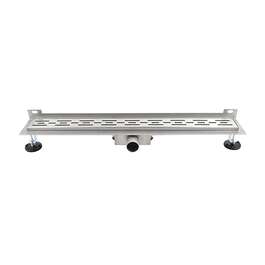
In Stock
133.40€ / pc.
Ex Tax: 107.58€ / pc.

In Stock
161.00€ / pc.
Ex Tax: 129.84€ / pc.
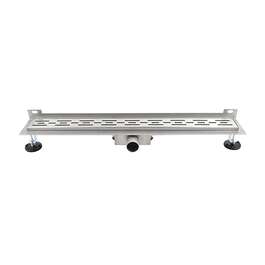
In Stock
100.28€ / pc.
Ex Tax: 80.87€ / pc.
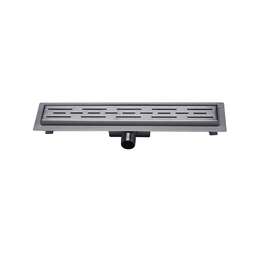
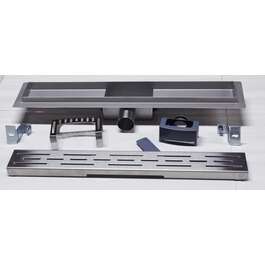
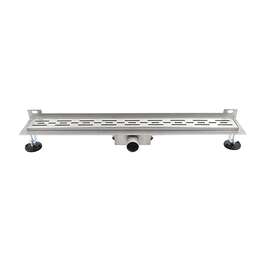
In Stock
93.84€ / pc.
Ex Tax: 75.68€ / pc.
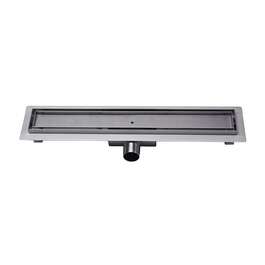
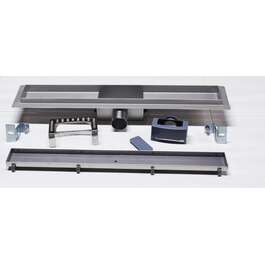
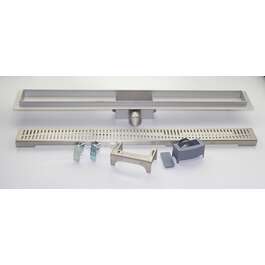
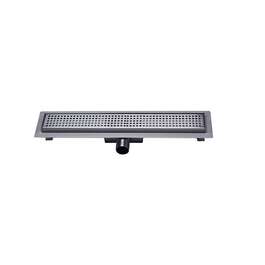


Frequently asked questions about the Shower trap category
What is a Shower trap and what is it used for?
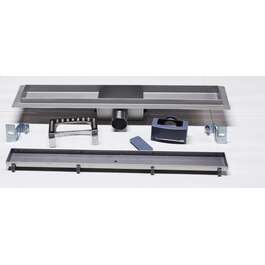
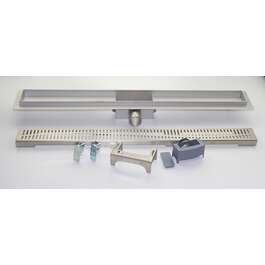
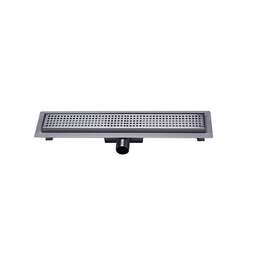
Shower trap is a drainage system component designed for efficient water removal in showers, preventing odors and flooding. Our range includes linear and point shower traps made of stainless steel, plastic and composite materials suitable for various shower areas.
What types of shower traps exist and how do linear and point traps differ?
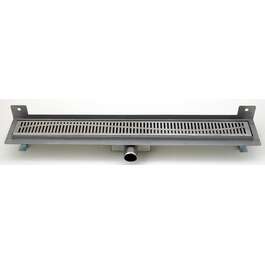
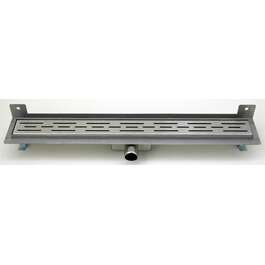
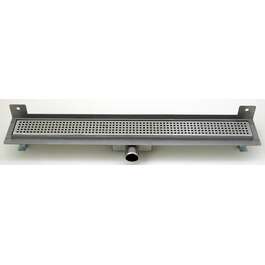
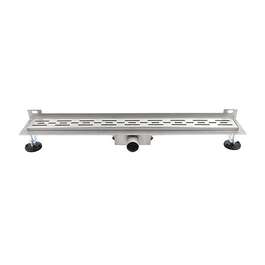
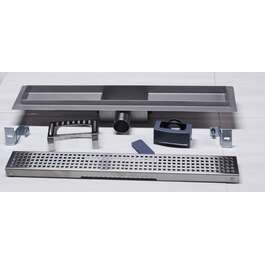
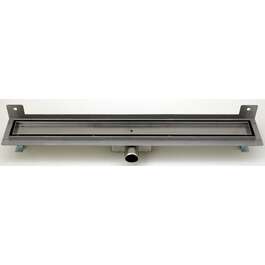
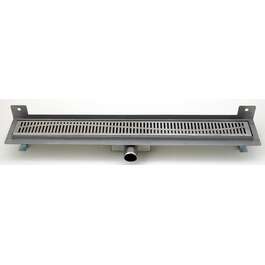
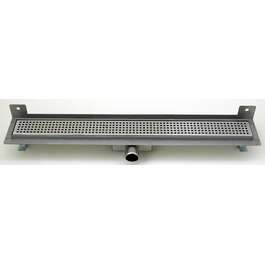
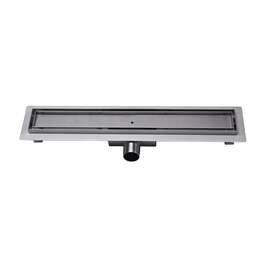
Types include linear (slotted) and point drains. Linear traps (e.g. VENTO 800x70) provide even drainage across larger shower areas; point traps are compact and better for small showers or tiled installations.
What is a shower trap with a dry seal and when is it needed?
A dry-seal trap prevents the water seal from evaporating, maintaining odor protection during infrequent use. It's useful in public or rarely used shower areas where long-term airtightness and odor control are required.
Can a shower trap be installed under tiles and which models suit this?
Yes, tile-level shower traps are available in linear and point designs; VENTO and STOCKSUND models feature flat frames and covers for flush tile installation. Choose a trap with adjustable height and the correct outlet size (commonly DN40/50).
How to choose a shower trap: what should I consider?
Consider shower area size and slope, material (stainless steel for heavy use, plastic for residential), and outlet diameter (DN40/50). Also check for a dry seal, adjustable height and cover design (e.g. PISLA 197x197).
How do Gappo and Tece shower traps differ and what are their advantages?
Gappo and Tece offer linear and point traps in various finishes. Tece is known for engineering reliability, while Gappo often provides stylish covers and competitive options; choose based on material, flow capacity and connection compatibility.
What sizes of linear traps are available and how to choose the right one?
Common linear trap sizes are 500x70, 600x70, 700x70, 800x70 and 900x70 mm. Choose length to match the shower width and check frame height and outlet (usually DN40/50) to suit the installation and sewer connection.
What materials are shower traps made of and benefits of stainless steel vs plastic?
Materials include stainless steel, plastic and composites. Stainless steel is corrosion-resistant and durable for heavy use; plastic is lightweight, budget-friendly and easier to install for residential applications.
What outlet diameter (DN) is commonly used and should I choose DN40 or DN50?
Common outlet sizes are DN40 and DN50. DN40 is suitable for standard residential systems; DN50 offers higher flow capacity and is recommended for heavier loads or longer drainage runs.
How to clean and maintain a linear shower trap to avoid blockages and odors?
Regularly remove the cover and clean the grate and debris basket of hair and sand; rinse the body with warm water and mild detergent. If a dry seal is present, check and clean its seals as needed.