
















Motor Saws: An Overview of Types, Uses, and Safe Operation
Motor saws, commonly known as chainsaws, are powerful tools designed for cutting wood and other materials quickly and efficiently. They combine a motor, a guide bar, and a cutting chain to deliver rapid, continuous cuts. Motor saws are used by homeowners, arborists, loggers, and emergency responders, and they come in a range of sizes and power sources to match different tasks.
Main Types of Motor Saws
Choosing the right motor saw depends on the intended use, mobility needs, and maintenance willingness.
Gas-Powered Saws
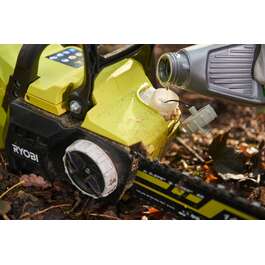
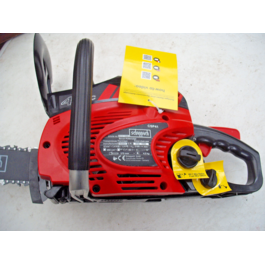
Gas chainsaws offer high power and long runtime, making them suitable for heavy-duty tasks like felling large trees and processing thick logs. They are typically heavier and require fuel mixing, regular tuning, and more maintenance.
Electric and Corded Saws
Electric corded chainsaws are quieter, lighter, and require less maintenance than gas models. They are limited by cord length and power outlet availability, so they are best for light-to-medium yard work and occasional cutting near a home.
Battery-Powered Saws
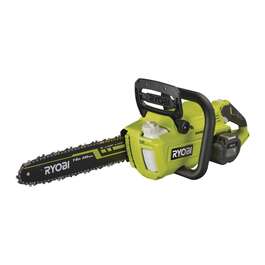
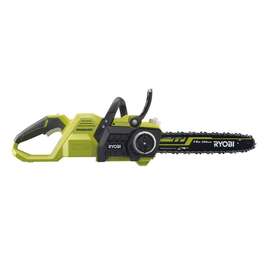
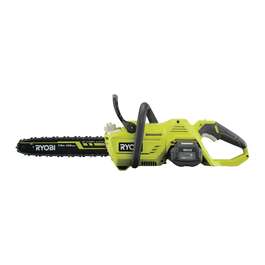
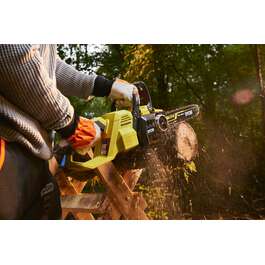
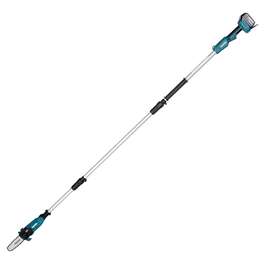
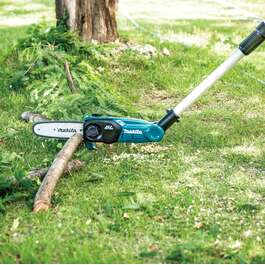
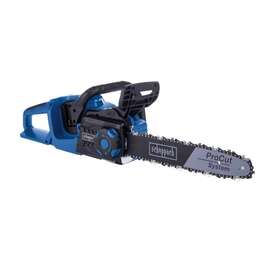
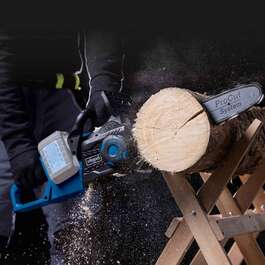
Battery (cordless) chainsaws provide good portability and reduced emissions while offering increasing power and runtime thanks to modern lithium-ion batteries. They are ideal for homeowners and landscapers who need mobility without the noise and fumes of gas engines.
Key Components and Features
- Engine or Motor: Determines power output and runtime.
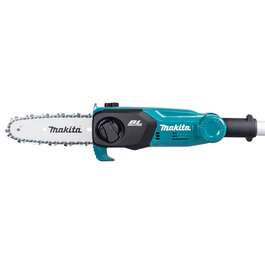
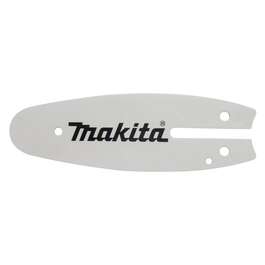
- Guide Bar and Chain: The bar length controls cutting capacity; the chain type affects cutting speed and smoothness.
- Chain Brake and Safety Mechanisms: Essential for reducing kickback risks and preventing accidental acceleration.
- Automatic Oiler: Keeps the chain lubricated to reduce wear and overheating.
Safety and Proper Use
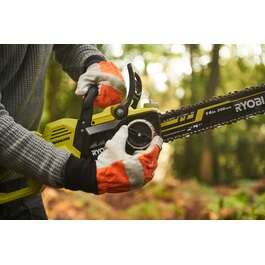
Motor saws pose significant hazards if used improperly. Personal protective equipment (PPE) is mandatory: chainsaw chaps or cut-resistant pants, safety helmet with face shield or goggles, hearing protection, gloves, and steel-toe boots. Always inspect the saw before use, check chain tension, ensure proper lubrication, and maintain a firm stance while cutting. Be aware of kickback zones and use saws with anti-kickback chains and chain brakes when possible.
Maintenance Tips
- Sharpen the chain regularly to maintain cutting efficiency and reduce wear.
- Clean or replace the air filter, especially on gas models.
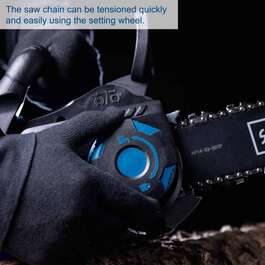
- Check chain tension and bar alignment before each use.
- Use the correct fuel mix for two-stroke engines and store batteries according to manufacturer guidelines.
Buying Considerations
When selecting a motor saw, evaluate the tasks you'll perform, the weight you can handle, noise and emissions constraints, and maintenance preferences. Compare bar length, power source, safety features, and aftermarket support. Renting a higher-powered saw for occasional heavy jobs can be more economical than purchasing a large gas model.
With appropriate choice, regular maintenance, and careful attention to safety, motor saws are highly effective tools for cutting and wood-processing tasks across residential, commercial, and emergency applications.
Show more CollapseFrequently asked questions about the Motor saws category
Motor saws — what are they and what tasks are they for?
Motor saws Stihl — what are the advantages vs other brands?
Motor saws Stihl price — how to choose by budget and tasks?
Motor saw repair — common faults and can you repair yourself?
Motor saw carburettor — how to tell it needs service?
Sound of a petrol saw — which models are quieter and what affects noise?
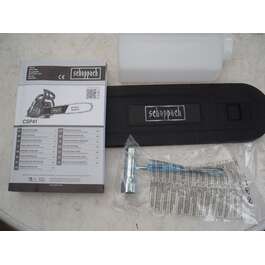
Motor saw key — which keys and tools are needed for maintenance?
Best petrol saws — how to choose for felling trees and firewood?
Motor saw adjustment — what settings to check before use?
New Arrivals in the Motor saws Category in 2026
Best sellers in the Motor saws category in 2026
Cheap products in the Motor saws category
- SAEVIIL MAKITA 4.8MM 3TK — 4.50€
- SAEVIIL MAKITA 4.5MM 3TK — 4.50€
- SAEVIIL MAKITA 5.5MM 3TK — 7.27€
- SAW CHAIN PREMIUM CUT 3/8" 1,3MM 45LÜLI — 8.70€
- SAW CHAIN PREMIUM CUT 3/8" 1,1MM 40LÜLI — 11.49€