



Frequently asked questions about the Screws category
What are screws and where are they used?
Screws are threaded metal fasteners used to join parts in construction, repair and furniture manufacture. Types include wood screws, metal screws, drywall (gypsum) screws and concrete screws; they come in various sizes and coatings (zinc, nano, corrosion-resistant) to suit specific tasks.
Which screws are best for drywall (gypsum board)?
Use dedicated drywall screws, e.g. 3.9×41 mm phosphate-coated drywall screws with a sharp drill point and thread designed to grip gypsum. Ensure the length is sufficient to penetrate the board and the supporting frame for secure fixing.
Which screws are used for metal?
For metal use self-drilling or metal screws with fine or close threads and a drill point or self-drilling tip. Choose diameter and length according to metal thickness and opt for corrosion-protected coatings where needed.
Which screws are suitable for wood?
Use wood screws with coarse threads and a sharp tip, e.g. ESSDRIVE 4.5×30 or 6.0×100 depending on board thickness. For exterior use choose zinc or CORRSEAL coatings for improved corrosion resistance.
How are screws for solar panels different?
Screws for solar panels are typically stainless steel A4/C5 or have heavy-duty corrosion-resistant coatings, with flat or countersunk heads for secure frame fixing. Select diameter and length based on mounting profile and roof type to avoid panel damage and ensure longevity.
Which screws are used for metal profile (metal sheets)?
Use self-drilling sheet/metal screws with a washer and seal, often phosphate- or CORRSEAL-coated. Common sizes are 4.2×25–4.8×38 mm; the washer seal prevents leaks when fixing roofing and facade profiles.
Which screws are suitable for brick and concrete?
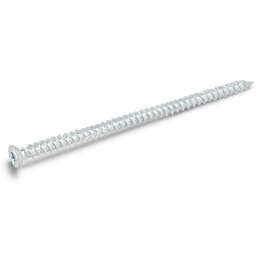
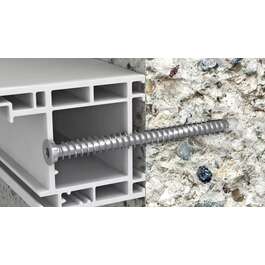
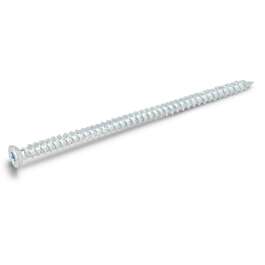
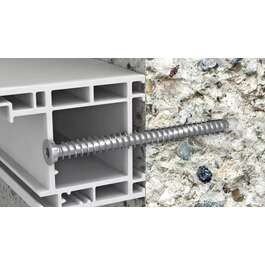
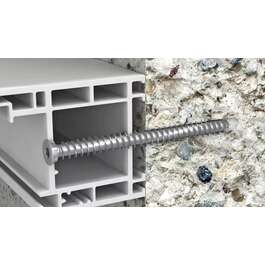
Use concrete/anchor screws with full or partial thread and aggressive cutting, e.g. 7.5×72 mm, typically requiring pre-drilling. Choose length to allow 40–50 mm embedment into the base material for secure anchoring.
How to choose screw diameter and length?
Select diameter by material and load: for wood 3.5–6 mm; for metal/profile 4.2–4.8 mm. Length should embed 2/3–3/4 into the receiving material or 40–50 mm in concrete; account for combined thickness of parts being joined.
What do screw markings PP, TX, A4, C4/C5, ZN mean?
Markings denote head/type and coating: PP = head/washer style, TX = Torx drive, A4 = stainless steel, C4/C5 = corrosion resistance classes, ZN = zinc coating. These guide selection for intended use and environment.
What does 'screws in the jaw' mean and when is it used?
The phrase refers to surgical screws used in dental or maxillofacial procedures where screws are inserted into the jawbone to secure plates or implants. These are specialised titanium or medical-grade stainless steel fasteners selected by a clinician.