






Frequently asked questions about the Module devices category
What are Module devices and where are they used?
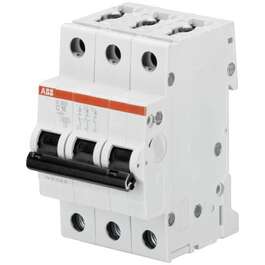
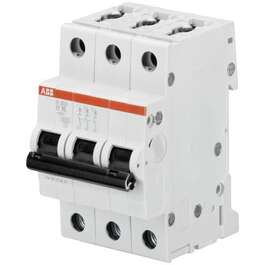
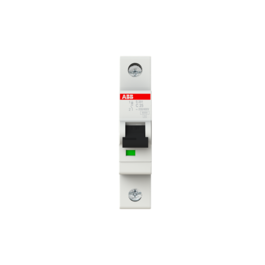
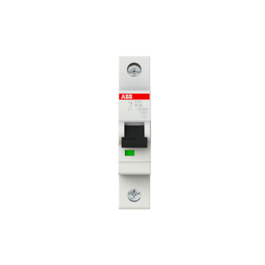
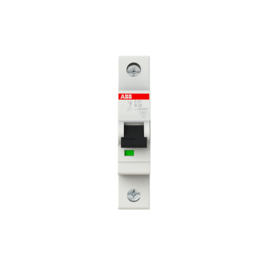
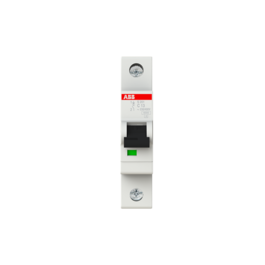
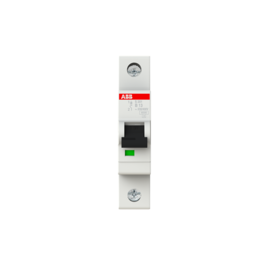
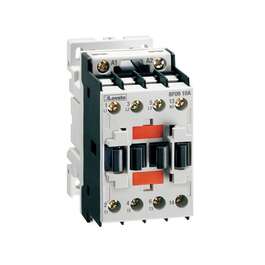
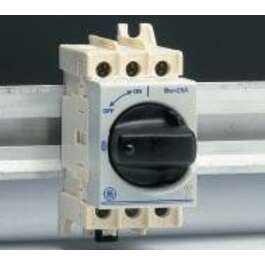
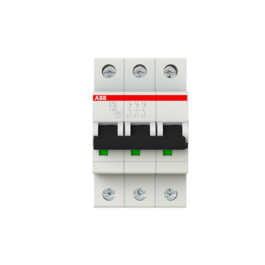
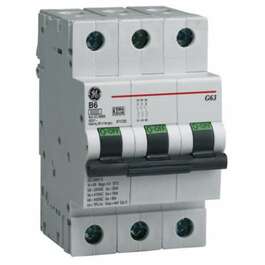
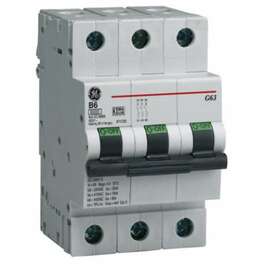
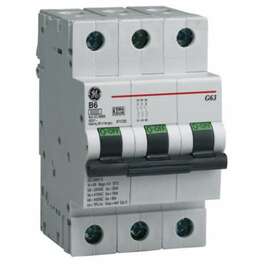
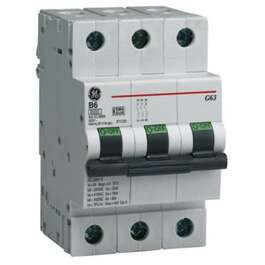
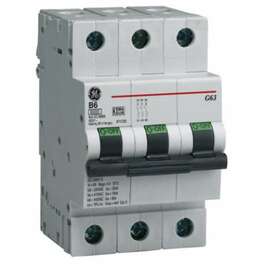
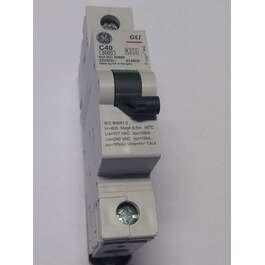
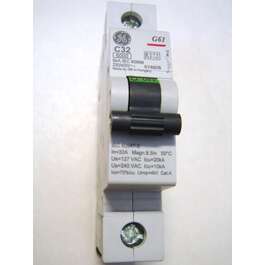
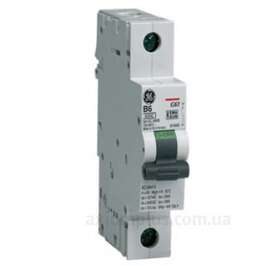
Module devices — are components installed in electrical panels for control and protection of electrical circuits. The category includes circuit breakers, RCDs, contactors and modular switches used in residential and industrial distribution boards to manage and protect loads.
Which brands of module devices are available in this category?
The range includes leading brands such as Legrand, Schneider Electric, Ensto, Malmbergs and Wiska. These manufacturers provide a wide selection of modular devices from circuit breakers to contactors and modular switches.
How to choose a circuit breaker by poles, In and type C/B?
Select breaker poles (1P–4P) based on number of phases and nominal current In (e.g. 16A, 32A, 40A, 63A) according to the load. Trip curve type (B, C) defines tripping behavior: B for lighting and sockets, C for motors and circuits with higher inrush currents.
What are the differences among Legrand RX3 circuit breakers in the range?
Legrand Home RX3 series offers 1P–4P breakers with nominal currents from 6A to 63A and 6kA breaking capacity. Variants differ by pole count, nominal current and availability of 1P+N 30mA RCD-equipped versions.
Are modular contactors suitable for controlling electric motors?
Yes, the modular contactors in the category are designed for motor control: 3P contactors are available in ratings such as 9A, 10A and 25A with kW power ratings depending on model. Choose a contactor based on motor inrush current and power.
What types of modular switches are offered and where are they used?
Modular switches are available in 1M/2M/3M sizes for controlling lighting and circuits up to around 40A. They are fitted into distribution boards for manual switching of lights and devices or circuit commutation.
What is the difference between an RCD and an RCBO in this category?
An RCD trips on earth leakage current (e.g. 30mA) to protect against shocks, while an RCBO combines RCD and circuit breaker functions in one device, providing both leakage and overload/short-circuit protection. Available variants include 1P+N 30mA and 4P 30mA AC models.
What dimensions to consider when choosing a contactor for DIN-rail mounting?
Consider the mounting width in modules (1M ≈ 18 mm) and the DIN-rail fixing. Product specs state the module width (e.g. a mini contactor may occupy 2–3M); ensure your distribution board has sufficient space for the chosen model.
What nominal ratings of breakers and switches are commonly used in home panels?
Homes commonly use 1P breakers 10A–32A for lighting and sockets and modular switches 16A–32A; 30mA RCDs are typical for protection. Incoming lines often use 3P/4P breakers rated 40A–63A depending on calculated load.
How to find the breaking capacity (kA) of a circuit breaker in product details?
Product descriptions list breaking capacity in kiloamperes (e.g. 6kA). Choose breakers with a kA rating at or above what your network requires so they can safely interrupt short-circuit currents.
Can I mix modules from different brands (Legrand, Schneider, Ensto) in one panel?
Yes, you can combine different brands if the modules are DIN-rail mountable and module widths match. Pay attention to matching nominal currents, breaking capacity and physical dimensions to ensure proper installation and protection.
Which items in the category are suitable for main panel protection (3P/4P)?
For main protection use 3P or 4P circuit breakers such as Legrand RX3 40A–63A with 6kA breaking capacity, or 4P 30mA RCD-combination breakers to protect the whole panel. Choose according to total expected load and network requirements.