



In Stock
18.30€ / sheet
Ex Tax: 14.76€ / sheet
6.78€ / m²

In Stock
12.78€ / sheet
Ex Tax: 10.31€ / sheet
7.10€ / m²
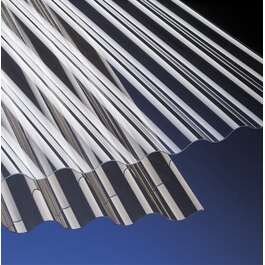
In Stock
18.30€ / sheet
Ex Tax: 14.76€ / sheet
6.78€ / m²
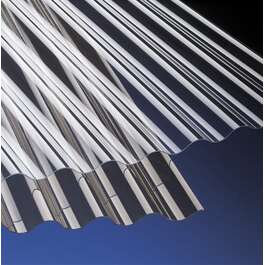
In Stock
12.78€ / sheet
Ex Tax: 10.31€ / sheet
7.10€ / m²
Frequently asked questions about the PVC roofing materials category
What are PVC roofing materials and what are they made of?
PVC roofing materials — are roofing membranes and accessories made from polyvinyl chloride (PVC), typically multilayer and reinforced for durability; they provide waterproofing, UV resistance and are suitable for flat and pitched roofs.
Are PVC roofing materials suitable for flat roofs and terraces?
Yes, PVC roofing materials are suitable for flat roofs and terraces; when installed and welded correctly they provide long-lasting waterproofing and resist standing water and mechanical loads.
What thicknesses and sizes do PVC roofing materials come in?
PVC roofing materials come in a range of thicknesses and sizes: rolls and sheets of various widths and lengths are available, with related products like polystyrene sheets up to 1500x1000 mm shown in the catalogue; check each product page for exact dimensions.
How do PVC roofing materials differ from polycarbonate and polystyrene sheets in the catalogue?
PVC roofing is a flexible waterproof membrane; polycarbonate is a rigid, often transparent panel for canopies and light-transmitting structures; polystyrene sheets are used as insulation or substrate and do not provide waterproofing on their own.
What fixing and sealing methods are used for PVC roofing?
PVC roofing is fixed with perimeter mechanical fastenings and sealed by hot-air welding or adhesive seams; profiles and seals are used around penetrations and junctions for watertightness.
Can PVC roofing materials be installed over polystyrene sheets from the assortment?
Yes, a PVC membrane can be installed over polystyrene sheets used as insulation, provided the polystyrene is properly fixed and levelled; compatibility of the substrate and adequate ventilation must be ensured.
What is the service life of PVC roofing materials under normal use?
Service life depends on membrane thickness and quality, but correctly installed and maintained PVC membranes last for decades; exact lifetime figures are specified in the technical details of each product.
What accessories and components are needed to install PVC roofing?
You need profiles (edge and corner profiles), seals, adhesives or PVC welding equipment, mechanical fasteners and protective coverings in high-wear areas. Specific accessory lists are provided with product instructions.
How should PVC roofing materials be maintained after installation?
Regularly inspect for damage and clear drains and debris; repair minor damage by welding or patching with the same material. Annual inspections are recommended to ensure long life.
Can PVC roofing be welded with a standard construction heat gun?
Professional welding requires specialised hot-air welding equipment with precise temperature control. A general-purpose construction heat gun does not provide stable temperature control and can produce poor-quality seams.