


Frequently asked questions about the Clay roofs category
What are clay roofs and what are they made from?
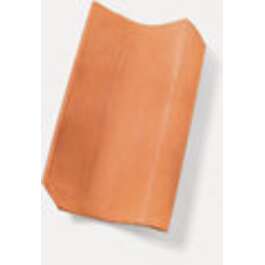
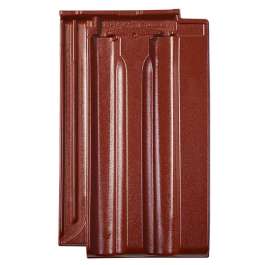
Clay roofs are roofing tiles made from shaped natural clay that is fired in kilns at high temperatures. They deliver weather resistance, long lifespan and come in various profiles and colours, with examples like MONIER REAKIVI GRANAT and VITTINGE E13 available.
What shapes and profiles do clay tiles come in?
Clay tiles come in flat, wavy/ribbed and barrel/Spanish (mission) profiles. Brands like MONIER offer several profiles so you can match the tile shape to your building’s architectural style.
Advantages and disadvantages of clay tiles?
Advantages: long lifespan (commonly 50–100 years when properly installed), excellent UV and frost resistance, and attractive natural appearance. Disadvantages: heavier weight requires a strong rafter structure and installation costs are typically higher than lightweight roofs.
What rafter/roof structure requirements are there for clay tiles?
Clay tiles are relatively heavy, so rafters and the roof structure must be designed for the increased load. Follow the manufacturer’s guidelines (e.g. for MONIER models) regarding batten spacing and structural strength.
What underlayment and waterproofing is required under clay tiles?
Clay tiles require proper vapour and waterproof underlayment, battening based on tile profile, and a ventilation gap. Use manufacturer-recommended membranes and counter-battens to ensure drainage and ventilation.
How do MONIER REAKIVI GRANAT and VITTINGE E13 differ?
REAKIVI GRANAT features a deeper relief and traditional appearance suited to classic roofs, while VITTINGE E13 has a flatter profile for contemporary aesthetics. Refer to each product’s technical datasheet for exact dimensions and weight.
What fasteners are used for clay tiles?
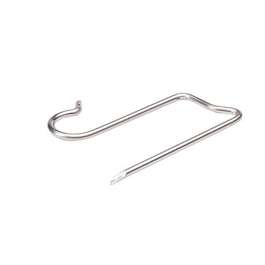
Clay tiles are fixed with specialised tile clips, hooks, nails or screws and fittings for ridges and valleys. Accessories include manufacturer clips such as MONIER S-KLAMBER for secure fixing.
Is additional thermal and acoustic insulation needed with clay tiles?
Clay tiles provide good thermal mass, but installing proper thermal insulation and acoustic layers is recommended for comfort and to meet thermal performance requirements. Insulation type and thickness depend on climate and roof construction.
How to maintain clay tiles and what is their lifespan?
Maintenance includes inspecting and replacing cracked or displaced tiles, cleaning gutters and checking flashings. Properly installed and maintained clay tiles commonly last more than 50 years.
Can clay tiles be used with roof windows and loft conversions?
Yes — clay tiles can be combined with roof windows and loft installations using profile-specific flashings and penetrations. Confirm compatibility and use the correct installation kits for the chosen tile profile (e.g. MONIER).