


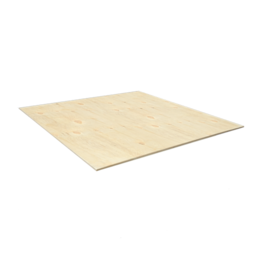
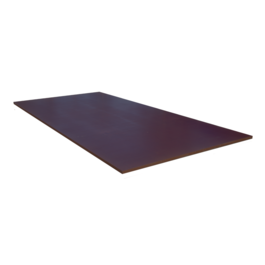
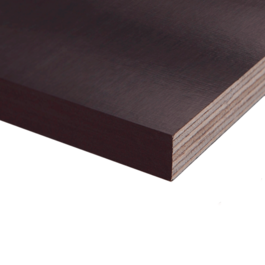

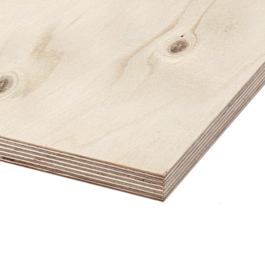
In Stock
72.68€ / sheet
Ex Tax: 58.61€ / sheet
31.26€ / m²
Length (mm)
1525
Waterproof gyprock
Plywood int
Width (mm)
1525
Thickness (mm)
21
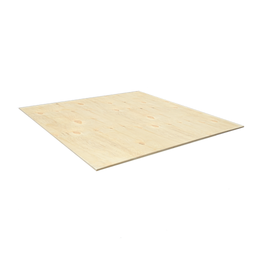
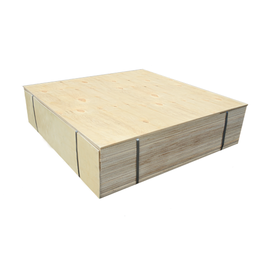
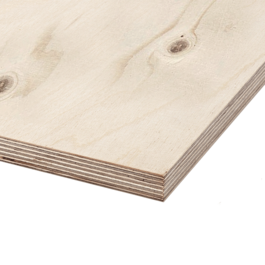
In Stock
34.04€ / sheet
Ex Tax: 27.45€ / sheet
14.64€ / m²
Length (mm)
1525
Waterproof gyprock
Plywood int
Width (mm)
1525
Thickness (mm)
8


In Stock
16.47€ / sheet
Ex Tax: 13.28€ / sheet
36.11€ / m²
Length (mm)
760
Waterproof gyprock
Vineer detail
Width (mm)
600
Thickness (mm)
15


In Stock
30.27€ / sheet
Ex Tax: 24.41€ / sheet
33.08€ / m²
Length (mm)
1525
Waterproof gyprock
Vineer detail
Width (mm)
600
Thickness (mm)
15


In Stock
10.95€ / sheet
Ex Tax: 8.83€ / sheet
36.02€ / m²
Length (mm)
760
Waterproof gyprock
Vineer detail
Width (mm)
400
Thickness (mm)
15


In Stock
20.15€ / sheet
Ex Tax: 16.25€ / sheet
33.03€ / m²
Length (mm)
1525
Waterproof gyprock
Vineer detail
Width (mm)
400
Thickness (mm)
15


In Stock
8.18€ / sheet
Ex Tax: 6.60€ / sheet
35.89€ / m²
Length (mm)
760
Waterproof gyprock
Vineer detail
Width (mm)
300
Thickness (mm)
15


In Stock
14.63€ / sheet
Ex Tax: 11.80€ / sheet
31.98€ / m²
Length (mm)
2500
Waterproof gyprock
Vineer detail
Width (mm)
300
Thickness (mm)
15


In Stock
14.63€ / sheet
Ex Tax: 11.80€ / sheet
25.31€ / m²
Length (mm)
760
Waterproof gyprock
Vineer detail
Width (mm)
760
Thickness (mm)
12


In Stock
30.27€ / sheet
Ex Tax: 24.41€ / sheet
26.12€ / m²
Length (mm)
1525
Waterproof gyprock
Vineer detail
Width (mm)
760
Thickness (mm)
12


In Stock
13.70€ / sheet
Ex Tax: 11.05€ / sheet
23.71€ / m²
Length (mm)
760
Waterproof gyprock
Vineer detail
Width (mm)
760
Thickness (mm)
10


In Stock
27.50€ / sheet
Ex Tax: 22.18€ / sheet
23.73€ / m²
Length (mm)
1525
Waterproof gyprock
Vineer detail
Width (mm)
760
Thickness (mm)
10
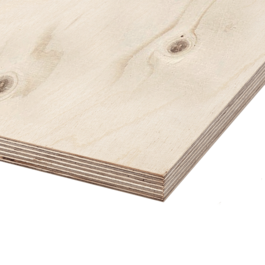


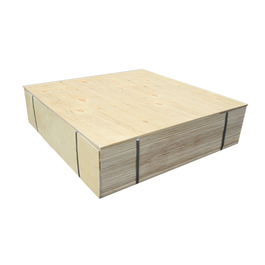
Pre-Order
Length (mm)
1525
Waterproof gyprock
Plywood int
Width (mm)
1525
Thickness (mm)
18


Pre-Order
Length (mm)
1525
Waterproof gyprock
Plywood int
Width (mm)
1525
Thickness (mm)
15
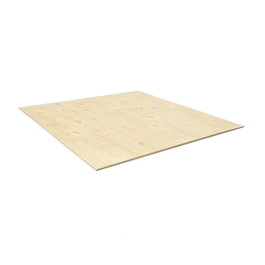


Pre-Order
Length (mm)
1525
Waterproof gyprock
Plywood int
Width (mm)
1525
Thickness (mm)
12

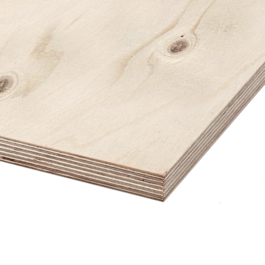
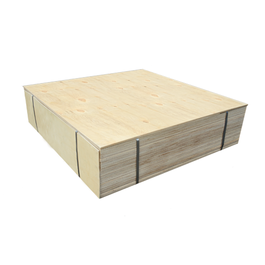
Pre-Order
Length (mm)
1525
Waterproof gyprock
Plywood int
Width (mm)
1525
Thickness (mm)
10

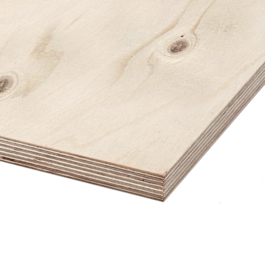
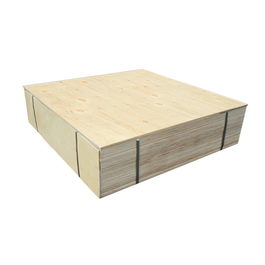
Pre-Order
Length (mm)
1525
Waterproof gyprock
Plywood int
Width (mm)
1525
Thickness (mm)
6
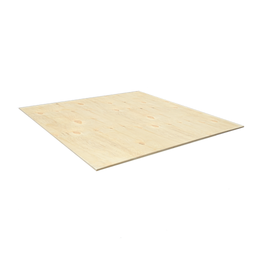
Pre-Order
Length (mm)
1525
Waterproof gyprock
Plywood int
Width (mm)
1525
Thickness (mm)
4


Pre-Order
Length (mm)
760
Waterproof gyprock
Vineer detail
Width (mm)
760
Thickness (mm)
4


Pre-Order
Length (mm)
1525
Waterproof gyprock
Vineer detail
Width (mm)
760
Thickness (mm)
4


Pre-Order
Length (mm)
507
Waterproof gyprock
Vineer detail
Width (mm)
507
Thickness (mm)
4


Pre-Order
Length (mm)
380
Waterproof gyprock
Vineer detail
Width (mm)
380
Thickness (mm)
4
Frequently asked questions about the Regular plywood category
How does Regular plywood differ from laminated plywood?
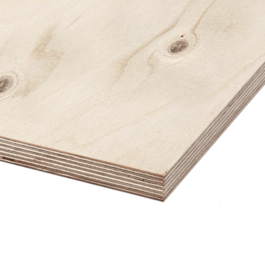
Regular plywood is a multi-layer veneer panel (pine, birch) bonded with adhesives without a decorative laminate surface. Unlike laminated plywood, it has a raw or sanded surface that requires painting, varnishing or sealing for moisture and aesthetic protection.
What standard sizes of Regular plywood are available in the catalogue?
The catalogue includes common formats such as 1250x2500 mm, 625x1250 mm and 1525x1525 mm; thicknesses range from 4 mm up to 21 mm (examples: 4x760x1525, 12x625x1250, 21x1250x2500).
Which wood species are used in Regular plywood and how do they differ?
The range includes pine (EXT MÄND) and birch/kask (KASK). Pine plywood is lighter and more economical, suitable for structural and rough work; birch/kask is denser with a smoother face, better for furniture and visible finishes.
What do F/F, C/C, BB/C markings mean on plywood and how to choose?
Markings denote face/back grades: F/F is top finish on both faces; C/C or C+/C is medium grade with visible knots; BB/C or INT BB/C are interior grades allowing some defects. Choose F/F for furniture/visible surfaces and C/C or BB/C for structural or concealed use.
Is Regular plywood suitable for outdoor use and what does EXT mean in the name?
EXT in the product name (e.g. EXT MÄND) indicates a higher moisture-resistant glue, making the plywood suitable for exterior use when combined with surface protection. For long-term outdoor performance apply paint, varnish or waterproofing treatment.
What thickness of plywood is suitable for furniture and what for construction work?
For furniture, 12–18 mm is commonly used (e.g. F/F 12x625x1250, 18x625x1250 KASK) for stiffness and workability. For construction, thicknesses from 6–21 mm are used: 6 mm for backing/underlay, up to 21 mm for load-bearing elements (EXT MÄND 21x1250x2500).
Can Regular plywood be cut to size and what are cutting recommendations?
Yes — cut with a circular saw, table saw or jigsaw; use a fine-tooth blade and a straight edge guide for clean edges. When cutting birch/kask plywood, use smaller teeth and lower speed to minimise splintering.
Which plywood should I choose for underlay or packaging inserts?
Thin, economical grades like INT BB/C 6x1525x1525 or DETAIL panels 4–10 mm (e.g. 4x507x507, 10x760x760) are suitable. They are lightweight, available in standard sizes and strong enough for underlay and inserts.
Which plywood grades are best for visible furniture and finishes?
Choose F/F grades such as F/F 12x625x1250 or F/F 18x625x1250 KASK; they have smooth, low-defect faces ideal for finishing and visible furniture parts.
How to determine moisture resistance and what does INT BB/C mean?
Moisture resistance is indicated by glue type/marking: EXT denotes higher moisture-resistant glue suitable for exterior use; INT BB/C (e.g. 6X1525X1525/65tk) is an interior grade for dry environments and is not intended for prolonged moisture exposure.