


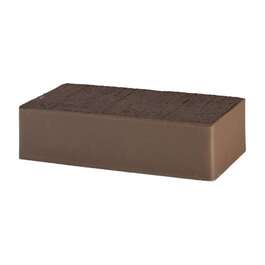
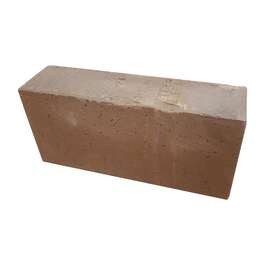
Pre-Order
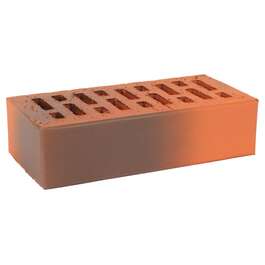
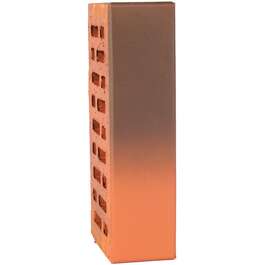
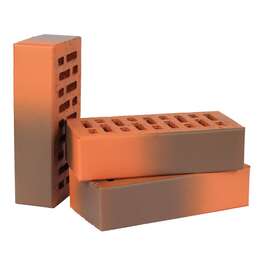
Pakendi mõõtmed
25,00 x 12,00 x 6,50 cm
Kogukaal
4,200 kg
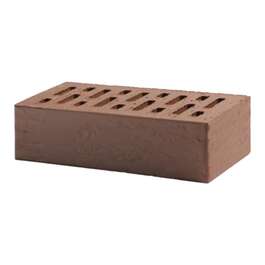
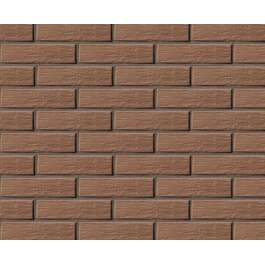
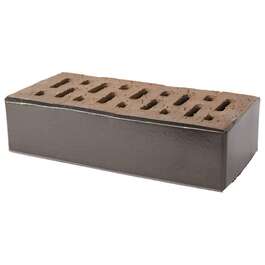
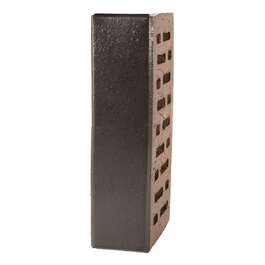
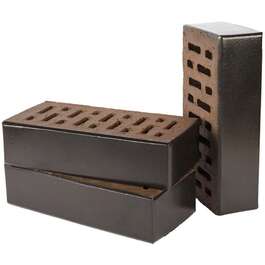
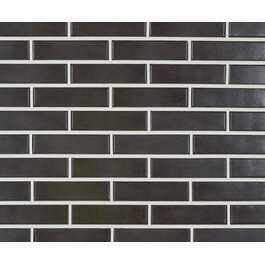
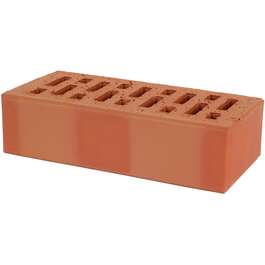
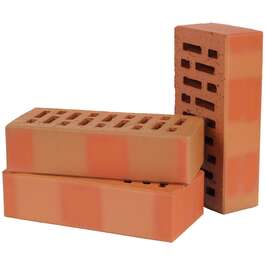
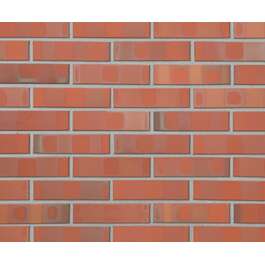
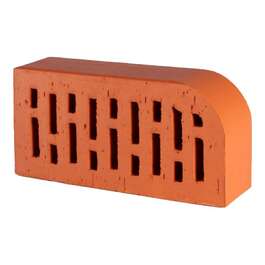
Pre-Order
Pakendi mõõtmed
25,00 x 12,00 x 6,50 cm
Kogukaal
3,050 kg

Pre-Order
Pakendi mõõtmed
25,00 x 12,00 x 6,50 cm
Kogukaal
3,050 kg
Frequently asked questions about the Building stones, blocks, lintels category
What are Building stones, blocks, lintels and what are they used for?
Building stones, blocks, lintels are structural and finishing materials including natural stone, aerated and concrete blocks, clay bricks and reinforced or steel lintels for openings. They are used for foundations, load-bearing and partition walls, facades, landscaping and lintel support; technical data and recommended uses are provided per product.
Which block is better for external load-bearing walls — aerated concrete or expanded clay block?
Choose based on insulation and strength: aerated (gas) concrete gives superior thermal insulation and precise dimensions, while expanded clay (keramsite) blocks offer higher compressive strength and moisture resistance. Compare product density and strength class listed in descriptions against your structural and U-value requirements.
What sizes and formats of blocks and lintels are available in this category?
The catalogue includes standard block sizes such as 190×190×585 and 240×190×585, ceramic blocks like 245×440×238, and lintels in lengths/sections like 100×1790, 200×2390 and 300×2390 mm. Exact dimensions are listed on each product page — match them to your masonry grid before ordering.
Are light lintels suitable for window openings in aerated concrete walls?
Light lintels made of polymer or lightweight concrete can be suitable for aerated concrete walls provided the lintel’s load capacity and maximum span match the opening width. Check the product’s stated maximum span and wall-type recommendations in the technical description.
What is the difference between clay bricks and silicate bricks for façade use?
Clay (fired) bricks offer better frost resistance and a wider range of colours/textures, while silicate bricks provide more exact dimensions and solid strength. For façades prioritising appearance and frost performance, choose clay facing bricks and check the product frost class and dimensions.
How to calculate the number of blocks and required lintel capacity for openings?
Calculate wall area (length×height) and divide by one block’s face area (e.g. 240×190 mm), accounting for mortar joints and adding 5–10% for waste and cuts. For lintels, measure the opening width and select a product with a rated maximum span equal to or exceeding that width using the technical data on the product page.
Which pavers and stones in the catalogue are best for landscaping and pavements?
Pavement stones and kerbs such as RK MUNGAKIVI (60 mm) and RK ÄÄREKIVI (e.g. 500×60×130 or 1000×80×200) are suitable. Choose thickness 60–80 mm for pedestrian areas and 100+ mm for driveways, and check the product frost resistance and finish in the description.
Which blocks are suitable for internal insulation and soundproofing partitions?
Use porous acoustic/insulating blocks such as BAUROC ACOUSTIC 100×200×600 for improved thermal insulation and sound reduction. Check density and the product’s acoustic performance values in the technical description when choosing.
Which material is better for foundations — concrete blocks or solid stone?
Concrete blocks and solid concrete products are generally preferable for foundations due to higher compressive strength and lower water absorption. Choose products with an appropriate strength class and moisture resistance as specified in the product sheet.
How to choose facing stone for façade restoration by colour and texture?
Compare facing and natural stone samples in different light, check tile thickness and fixing method. Order samples to view shades in daylight and ensure the chosen stone meets frost resistance and weight constraints of your façade system.