


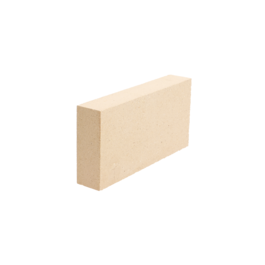

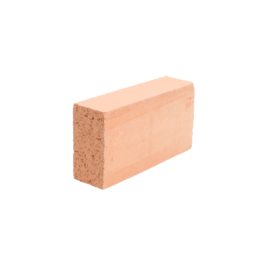
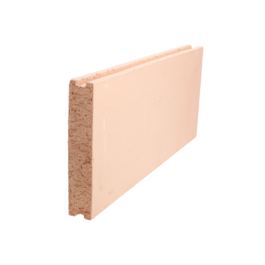
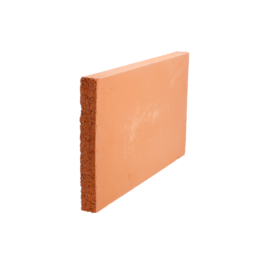
Frequently asked questions about the Firebricks category
What are Firebricks and where are they used?
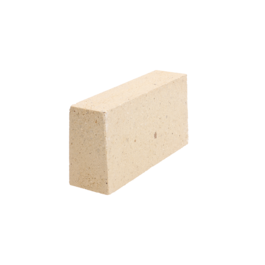
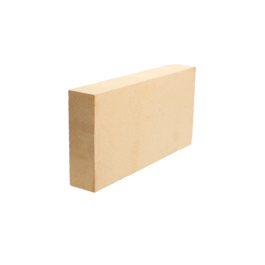
Firebricks are refractory ceramic bricks used to line fireplaces, wood-fired ovens, kilns and industrial furnaces exposed to high temperatures. Our range includes solid and hollow bricks, shaped blocks and refractory plates for building and repair work.
What sizes of firebricks and plates are available?
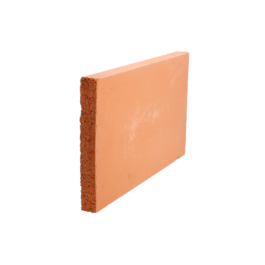
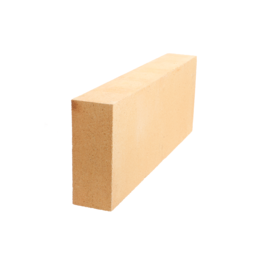
Available sizes include a standard brick around 250×120×65 mm and various plates such as 500×300×40 mm, 500×300×60 mm, 750×300×60 mm, plus plates like 460×230×75 mm and 600×230×90 mm for linings and repairs.
What do firebrick grades (M200, M250, M300) mean?
Grades indicate refractoriness and strength: M200 for lower temperatures, M250 suitable for domestic fireplaces and ovens, and M300+ for higher-temperature or industrial applications. Choose based on the maximum operating temperature of your appliance.
What shaped and repair firebrick elements are offered?
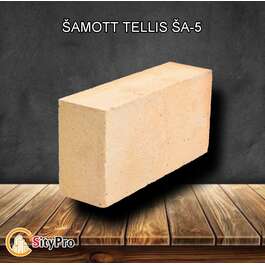
We offer shaped blocks, corner elements, repair inserts and wedge bricks (e.g. ŠA-44, ŠA-45), plus plates and special pieces that simplify accurate fitting when repairing fireplaces and ovens.
Are firebricks suitable for domestic ovens and pizza ovens?
Yes — dense firebricks and refractory plates with high temperature ratings are suitable for lining domestic ovens and wood‑fired pizza ovens. For even heating choose an appropriate plate thickness (40–90 mm) and a grade matching the oven's operating temperature.
What's the difference between dense and hollow firebricks?
Dense firebricks have higher mechanical strength and thermal conductivity, making them suitable for furnace walls; hollow or more porous bricks are lighter and provide better insulation. Choose based on required strength versus insulation needs.
How does the thickness of a refractory plate (40, 60, 75, 90 mm) matter?
Plate thickness affects heat storage and strength: 40 mm suits linings and quick heat‑up, 60 mm is versatile, while 75–90 mm provide higher thermal inertia and durability under heavy use. Match thickness to oven type and operating cycle.
Which items in the category are suitable for industrial use?
For industrial furnaces choose higher-grade firebricks (M300+) and thick, durable plates or shaped blocks designed for intensive heating cycles. The catalogue includes dense refractory plates and formed elements suitable for process areas.
Which popular products should I consider for repairing a fireplace or oven?
Consider standard bricks like ŠA-220 (220×110×60) and plates such as 500×300×40, 500×300×60, plus plates 460×230×75 and 600×230×90 — these cover most common repair and lining needs.