





Frequently asked questions about the Clay bricks category
What are clay bricks and where are they used?
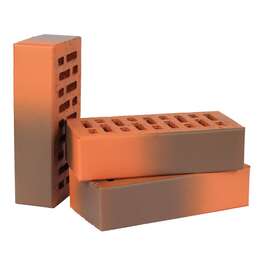
Clay bricks are pressed and fired clay masonry units that offer strength and frost resistance. They are used for load-bearing walls, facing façades, building stoves and decorative landscaping elements; available as solid, perforated (hollow) and facing brick formats.
What sizes of clay bricks are available in the catalogue?
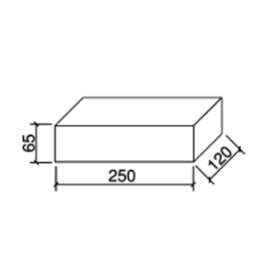
The catalogue includes standard formats such as single and thickened bricks (commonly around 120×65×250 mm family) and facing formats. Exact dimensions vary by product — check the product page for precise measurements.
What is the weight of a clay brick and does it affect foundation calculations?
Brick weight varies by type: solid (full-bodied) bricks are considerably heavier than hollow/perforated ones. A typical single solid brick weighs several kilograms while hollow bricks are lighter; use the product-specific weight and density when calculating foundations.
What is the difference between solid and hollow clay bricks?
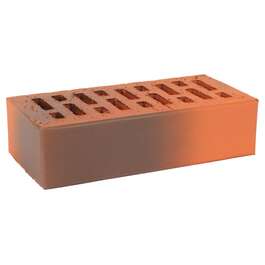
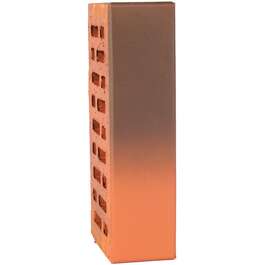
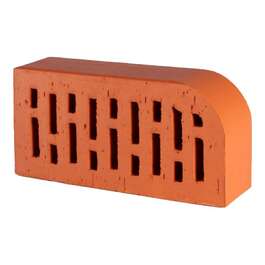
Solid (full-bodied) bricks are denser and provide higher load-bearing capacity and frost resistance, suitable for structural walls and foundations. Hollow/perforated bricks are lighter, offer better thermal performance per unit mass and are more economical in material use; often used for non-load-bearing walls and facades.
Are clay bricks suitable for building a stove?
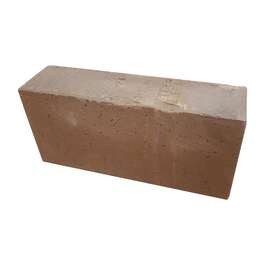
Yes — the range includes specialised stove/bricks, typically fireclay/chamotte materials with higher heat resistance. Choose a product whose specifications explicitly state suitability for stove or high-temperature use.
What is facing (clay) brick and where to use it?
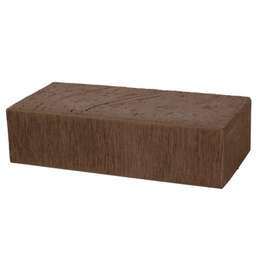
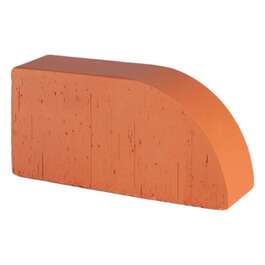
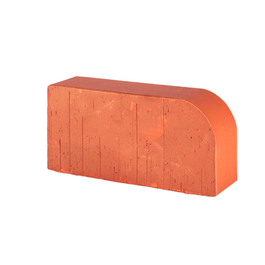
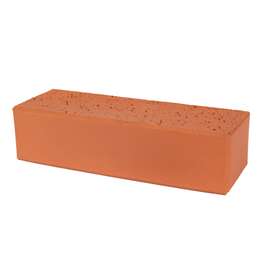
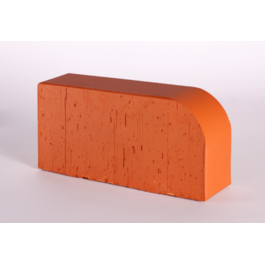
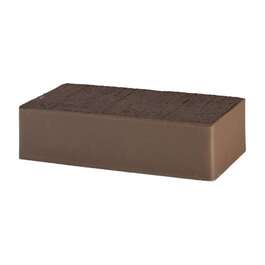
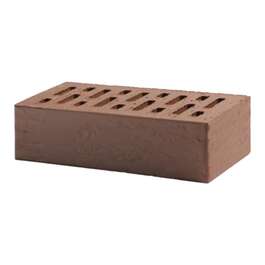
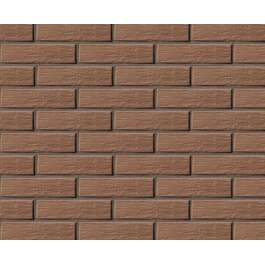
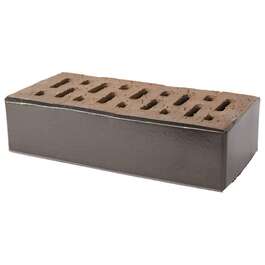
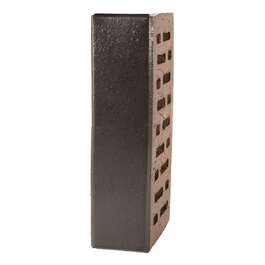
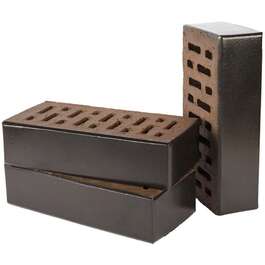
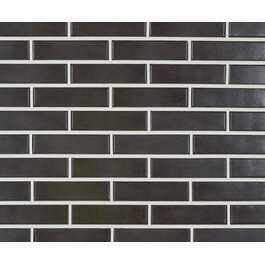
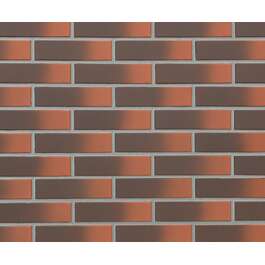
Facing clay brick has a decorative finished face, precise dimensions and typically low water absorption for façade durability. It’s used for external cladding, columns and architectural details where no further plastering is required.
What is the thermal conductivity of clay bricks and how does it affect wall insulation?
Thermal conductivity varies by brick type: solid bricks have higher conductivity, while hollow/perforated bricks are lower and provide better inherent insulation. Check product technical data for exact λ-values; for improved thermal performance combine hollow formats with external or cavity insulation.
How to choose clay brick for exterior facing?
Select facing bricks with low water absorption, frost resistance and an even face finish. Pay attention to precise dimensions/tolerances and choose the colour and texture from the facing range to match the building design.
What is the difference between general-purpose (row) and facing clay bricks?
General-purpose (row) bricks are made for structural and infill use and may be less finished cosmetically; facing bricks are produced with a refined face, consistent sizing and low water absorption for exposed façades. Choose facing for visible external walls, row bricks for structural work.