


Frequently asked questions about the Wall mixtures category
What are wall mixtures and what are they used for?
Wall mixtures are ready dry mixes based on cement, lime or combined binders used for laying bricks, blocks and stone. They provide adhesion, level joints, improve wall strength and come in frost-resistant, fast-setting and aerated-block-specific formulations.
How do stove/oven wall mixtures differ from standard cement-sand mixes?
Stove mixtures include heat-resistant additives and are formulated to withstand high temperatures and thermal cycling. Standard cement-sand mixes are for structural masonry but are not suitable for direct exposure to open flame or very high heat.
What are coloured wall mixtures and when to use them?
Coloured wall mixtures contain pigments that colour the joint or render without further painting. Use them for decorative masonry, matching joint colour to bricks or tiles, and improving facade or interior aesthetics.
What do strength grades like M5 and M10 mean for masonry mixes?
M5, M10 etc. denote compressive strength classes; M5 is for lightweight or non-load-bearing masonry, while M10+ suits more heavily loaded structures. Choose grade based on block/brick type and structural requirements.
Which wall mixtures are suitable for aerated concrete (gas blocks)?
Use special mixes formulated for aerated blocks with low shrinkage and high adhesion to porous surfaces, typically ready dry mixes for aerated concrete. They reduce joint thermal conductivity and lower cracking risk.
What are warm (thermal) masonry mixes and when to use them?
Warm/thermal masonry mixes include lightweight fillers or insulating additives that lower the joint's thermal conductivity. Use them for external walls and plinths to reduce cold bridges and improve wall energy performance.
What types of dry masonry mixes exist and how to mix them?
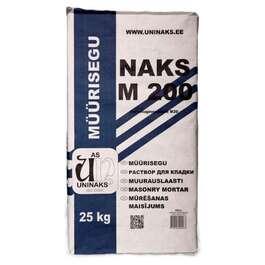
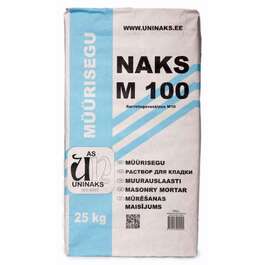
Dry masonry mixes come in factory-packed bags (commonly 25 kg) as cement-sand, lime-cement or specialised formulas. Mix with water according to the bag instructions to a plastic consistency and blend with a mixer for about 3–5 minutes.
How to choose a masonry mix for exterior and frost conditions?
Choose a frost-resistant mix with required strength class and additives for freeze-thaw resilience and water resistance. Ensure compatibility with the masonry material and follow manufacturer recommendations (e.g. Weber M100/600 for exterior use).
Can masonry mixes be used to level vertical joints and how?
Yes—mortar joint mixes and masonry mortars are used to fill and level vertical joints; apply with a trowel or jointing tool, packing tightly without voids. After setting, rake or finish the joint for a neat appearance.
Which brands and types of wall mixtures are commonly available in the category?
The category includes ready dry mixes and mortars from European brands such as Weber (M100/600, 140/149/150), Kiilto and Ceresit. Common pack sizes include 25 kg bags suitable for various job scales.