


Frequently asked questions about the Tiling mixtures category
What are Tiling mixtures and what are they used for?
Tiling mixtures are powdered or ready-to-use adhesives for fixing ceramic, porcelain and mosaic tiles to substrates. They are used in bathrooms, underfloor heating and facades; different formulations provide moisture resistance, flexibility and strong adhesion to various bases.
What types of tile adhesives exist and what do C2ES2, S1, S2 and ready mixes mean?
Types include cementitious powdered mixes (standard and modified C2), epoxy adhesives and ready polymer adhesives. C2ES2 (e.g. MAPEI ULTRALITE S2 FLEX) indicates enhanced adhesion and flexibility; S1/S2 denote deformation capacity; ready mixes are convenient for small jobs without mixing.
Is tile adhesive suitable for underfloor heating and which products are recommended?
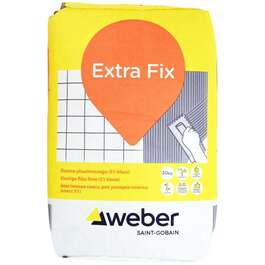
For underfloor heating choose flexible modified adhesives marked S1/S2 or C2E. In our range MAPEI ULTRALITE S2 FLEX and WEBER EXTRA FIX are suitable for fixing tiles over heating systems when used according to manufacturer instructions.
Which adhesive to choose for a bathroom and moisture-prone areas?
Choose moisture-resistant modified cementitious or epoxy adhesives with high adhesion for bathrooms. CERESIT CM17 is suitable for small jobs, while epoxy systems are recommended for very wet areas and showers.
When are epoxy tile adhesives needed and what are the advantages?
Epoxy adhesives are used in very wet areas, chemically aggressive environments, or where high strength and stain resistance are required. They provide a waterproof, chemical-resistant bond but are more complex to apply than cementitious mixes.
When are ready tile adhesives convenient and what are their limitations?
Ready adhesives are convenient for small jobs and quick installations without mixing, such as repairs. Limitations include generally lower adhesion and frost resistance compared with professional powdered mixes, so they may not suit facades or large areas.
Which adhesives suit ceramic tiles and porcelain stoneware — are there differences?
Standard cementitious adhesives work for ceramic tiles, while heavy porcelain stoneware and large formats need modified flexible mixes (e.g. C2ES2) with high adhesion. Choose based on tile weight, size and the substrate.
How to estimate tile adhesive consumption and what pack sizes are available?
Consumption depends on the notched trowel size and tile format; follow the adhesive manufacturer's guidance. Our range includes packs from 5 to 25 kg (e.g. WEBER EXTRA FIX 20kg/25kg; CERESIT CM17 5kg), so you can select the right volume for your job.
How to prepare the substrate before tiling and which adhesive suits different bases?
The substrate must be level, clean and sound; use special flexible mixes for drywall and moving substrates, and modified cementitious adhesives for concrete and cement bases. For unstable substrates consider MAPEI ADESILEX P9 or other elastic formulations.
Which brands and top products are available in the category and what are they recommended for?
The category includes WEBER EXTRA FIX (general-purpose), MAPEI ULTRALITE S2 FLEX (lightweight, flexible for large formats), MAPEI ADESILEX P9 (special substrates), CERESIT CM17 (small repairs), plus MIRA and SAKRET for various uses from bathrooms to facades.