


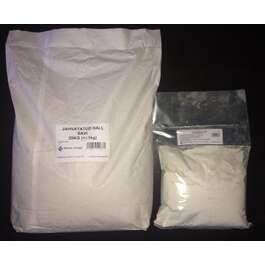
Frequently asked questions about the Furnace mixtures category
What are Furnace mixtures and what are they used for?
Furnace mixtures are refractory and heat-resistant compounds for lining and repairing furnace chambers, sealing joints, fixing decorative cladding and casting working chambers in furnaces, kilns and fireplaces. The range includes cement- and clay-based mortars, heat-resistant adhesives, repair fillers and ready dry mixes in 2–25 kg packs.
Which mixture is better for lining a firebox — cement or clay-based?
For the firebox, clay/shamotte or high‑alumina mixes are preferred because they withstand direct flame exposure and thermal cycling. Cementitious refractory mixes are suitable for less exposed areas and outer masonry; choose a product rated for the working temperature of the firebox.
Which mixture should I use to fix decorative tiles and seal joints?
Use heat‑resistant adhesives and sealants specified for cladding and joint sealing in the Furnace mixtures category; they provide durable adhesion at elevated temperatures. Pick formulations labelled for tile fixation and follow manufacturer recommendations for joint width and temperature exposure.
Which mixtures are suitable for casting working chambers and moulds?
Use refractory casting mortars such as WEBER VM TULI 20kg or VALUMASSA WEBER 25kg from the range; these are formulated for dense, low‑shrinkage casting and can withstand high temperatures and contact with molten material. Follow mixing and curing instructions for best results.
Are there fast‑setting repair mixes for small fireplace defects?
Yes — the range includes 1–2 kg rapid repair mixes like CASCO CEMENT RAPID 2KG and WEBER 2kg repair mortars, suitable for filling cracks and small chips in the firebox. Apply to a clean, pre‑dampened surface and observe the manufacturer's setting times.
What packaging sizes are available in Furnace mixtures?
Products are offered in small repair packs of 1–2 kg and larger sacks from 5 up to 20–25 kg (e.g. WEBER 20kg/25kg, UNINAKS 25kg). Small packs suit local repairs; larger bags are intended for masonry and casting jobs.
How should I prepare the surface before applying a refractory mixture?
Clean the surface of soot, dust and loose material; mechanically remove deteriorated layers if necessary. Pre‑dampen the surface slightly to prevent rapid moisture loss from the mix and to improve adhesion.
How do WEBER and UNINAKS refractory mixes differ in the catalogue?
WEBER offers casting and masonry mortars in 5–25 kg sizes designed for dense composition and low shrinkage. UNINAKS ranges include shamotte/clay‑based furnace mixes in similar pack sizes, commonly used for traditional masonry and fire‑chamber repairs.
What operating temperature should I look for and how to choose by working temperature?
Choose a mix based on its rated working temperature: fireboxes require products specified for high working temperatures, usually listed in the product technical data. If a product lacks temperature data, opt for shamotte or high‑alumina formulations from the catalogue.
Can I mix different dry mixtures together to improve properties?
Not recommended unless the manufacturer explicitly permits it: different dry mixes use different binders and setting chemistry, which can adversely affect setting time and heat resistance. Use ready formulations or follow product guidance for blending.