


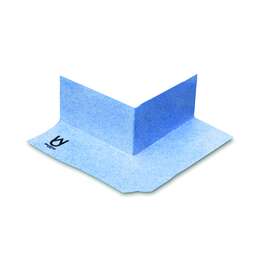
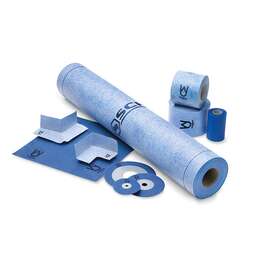
In Stock
5.25€ / pc.
Ex Tax: 4.23€ / pc.
Manufacturer
Casco
Type
Reinforcing materials
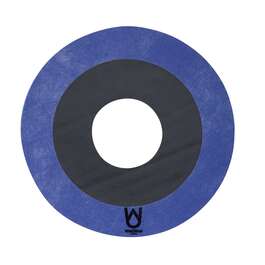
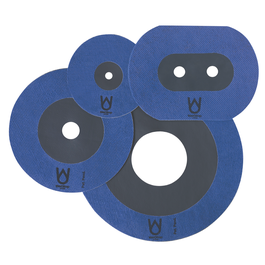
In Stock
9.98€ / pc.
Ex Tax: 8.05€ / pc.
Manufacturer
Casco
Type
Cuffs


Frequently asked questions about the Hydro-insulation and reinforcement materials category
Why is waterproofing needed if tiles and grout are water-resistant?
This is a common misconception. Cement grout is porous, and micro-cracks can form in corners over time. Without waterproofing, water seeps into the walls and floors, leading to mould, rot, and debonding of tiles.
What is waterproofing tape and where is it used?
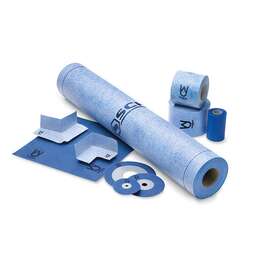
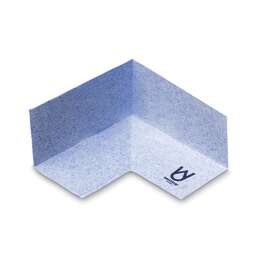
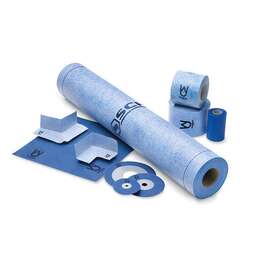
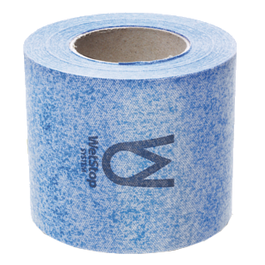
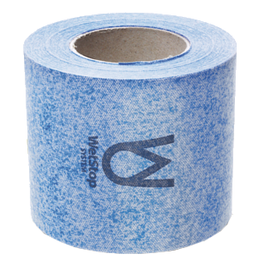
It is an elastic tape used to seal internal and external corners. It protects the most vulnerable areas where cracks often occur due to structural settling or thermal movement.
What is the purpose of waterproofing gaskets (pipe collars)?
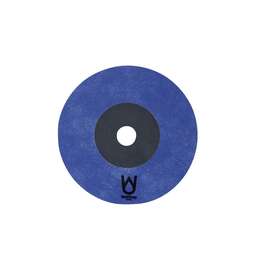
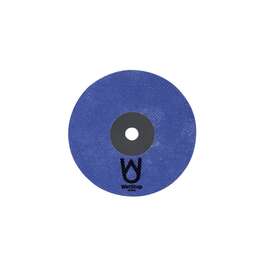
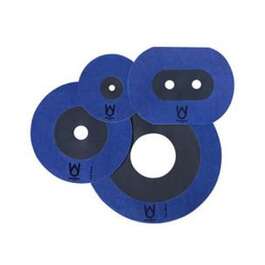
Gaskets are designed to seal pipe outlets and drains. They fit tightly around the pipe and are embedded into the waterproofing layer to prevent leaks where standard tape or liquid membranes might fail.
Can I apply waterproofing over standard plaster?
Yes, if the surface is dry, clean, and primed. The substrate must be stable (cement-based). Gypsum-based surfaces require a special adhesion primer to prevent chemical reactions and peeling.
How many coats of waterproofing should I apply?
At least two coats. The second coat is applied once the first is dry (usually after 2–6 hours). It is best to apply them in cross-directions to ensure 100% coverage.
What is the optimal thickness of the waterproofing layer?
The final dry film thickness should be between 0.4 mm and 1 mm. A layer that is too thin won't protect effectively, while an excessively thick layer may lose elasticity or take too long to dry.
Is waterproofing compatible with underfloor heating?
Yes, most modern liquid membranes are designed to handle thermal expansion. Always check the packaging for the "underfloor heating compatible" icon.
Can I tile directly onto the waterproofing layer?
Yes, modern membranes have excellent adhesion. Ensure you use a high-quality tile adhesive (class C2), as the non-porous waterproofing layer won't absorb water from the adhesive.
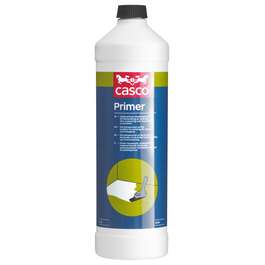
Why is a primer necessary before applying the membrane?
Primer binds dust and improves the bond between the substrate and the membrane. Without it, the waterproofing layer might peel off like a film.
Can I use plastic sheeting (polyethylene) instead of liquid waterproofing?
Absolutely not. Tile adhesive will not stick to plastic film. Your tiles will fall off as soon as any weight or stress is applied.
What is the difference between cement-based and two-component epoxy waterproofing?
Cement-based (1-part): Cost-effective, breathable, and easy to apply. Perfect for standard residential bathrooms.
Epoxy (2-part): Resin-based. Completely water and vapour-proof, chemical resistant. Ideal for swimming pools, steam rooms, and industrial areas.
How long does a waterproofing layer last?
If installed correctly, it lasts as long as the tiles—15 to 25 years. The key is to avoid damaging the layer with a notched trowel during tiling.
Do corners need additional mesh if I'm using tape?
No. The tape itself acts as the reinforcement for corners. Adding extra mesh on top is usually unnecessary and may create too much bulk under the tile.
How should I prepare the surface before starting?
The surface must be level, free of sharp protrusions, and cleared of dust, oil, and old paint. All cracks and holes should be filled with repair mortar beforehand.