


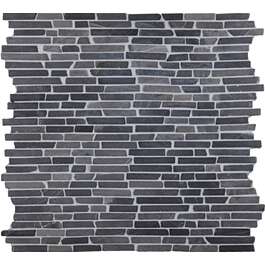
Out Of Stock
Thickness (сm)
0.8
Weight package (kg)
22.00
Length (cm)
30
Width (cm)
30
Color/Texture
Grey marble
Frequently asked questions about the Ceramic tiles, natural stone category
Ceramic tiles, natural stone — what is it and where is it used?
Ceramic tiles, natural stone are fired clay or natural stone finishes for walls and floors in residential and commercial spaces. The range includes wall tiles (30x60, 10x20), porcelain and mosaics; they are suitable for bathrooms, kitchens and high-traffic floors due to durability and easy maintenance.
Which porcelain tile is better for a hallway: 60x60 or 30x30?
A larger 60x60 or 59.7x59.7 porcelain tile is preferable in a hallway because it distributes traffic loads better and reduces grout lines. Larger formats need a flat subfloor and professional installation for best results.
What is the difference between 30x60 wall tile and 10x20 (metro) tile?
30x60 offers a modern, seamless look with fewer grout lines, while 10x20 metro tiles create a classic, modular appearance suitable for accents and narrow niches. Choose based on wall size and the stylistic effect you want.
Which tile is better for a bathroom: porcelain or glazed wall tile?
Porcelain (full-body) tiles such as 59.7x59.7 or 60x60 are better for bathroom floors due to higher durability and lower water absorption; glazed wall tiles like 30.8x60.8 or 10x20 offer more colours and textures for walls. A common approach is porcelain on the floor and glazed tiles or mosaics on walls.
Can façade tiles from the catalogue be used on an outdoor terrace?
Façade tiles and some full-body porcelain tiles can be used outdoors if they are frost-resistant and have an appropriate anti-slip rating (e.g. R9–R11). Always check the product technical data to confirm it is rated for exterior use.
Which mosaic size to choose for a panel above the sink — 29.5x29.5 or 30.9x29.6?
29.5x29.5 mosaic creates a finer, denser pattern while 30.9x29.6 is easier to fit on rectangular areas. Choose based on the desired level of detail and how it pairs with your main wall tile size.
Which tile profiles are suitable for decorative edging?
Use aluminium or PVC tile profiles for decorative edges; the catalogue includes 10 mm L- and P-profiles and oval edge profiles in 2.5 m lengths. Aluminium profiles give a durable, neat finish for corners and transitions.
What anti-slip rating is needed for floor tiles outdoors or in a sauna?
For outdoor areas and wet rooms like saunas, choose tiles with an anti-slip rating of R11–R13 or special anti-slip finishes. Rougher textures and pronounced relief increase grip.
Can I combine tiles of different thicknesses: 0.7 mm and 1.0 mm in one room?
Yes, but you must compensate thickness differences with the screed and adhesive to achieve a level surface. Plan transitions in advance and consider using edge profiles to avoid unevenness.