


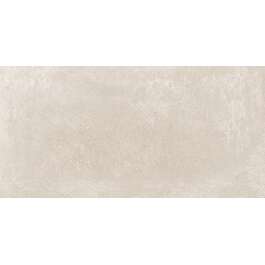
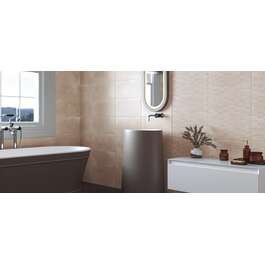


In Stock
60.95€ / box
Ex Tax: 49.15€ / box
42.32€ / m²

In Stock
14.99€ / box
Ex Tax: 12.09€ / box
12.49€ / m²
Quantity of pieces in package
12
Size (cm)
20x50
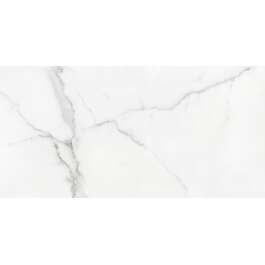
In Stock
24.38€ / box
Ex Tax: 19.66€ / box
13.55€ / m²
Size (cm)
30x60
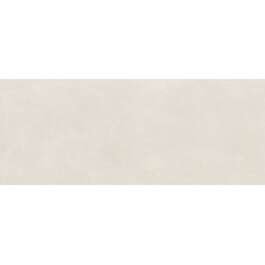

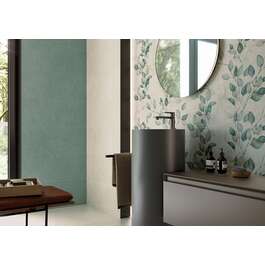
In Stock
36.23€ / box
Ex Tax: 29.22€ / box
23.00€ / m²
Size (cm)
30x75


In Stock
39.12€ / box
Ex Tax: 31.55€ / box
24.84€ / m²
Size (cm)
30x75
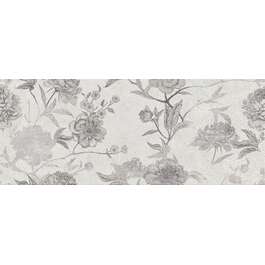
In Stock
36.23€ / box
Ex Tax: 29.22€ / box
23.00€ / m²
Size (cm)
30x75
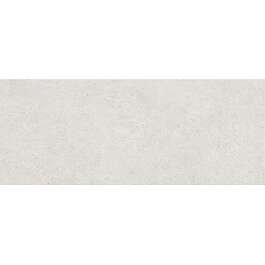
In Stock
39.12€ / box
Ex Tax: 31.55€ / box
24.84€ / m²
Size (cm)
30x75

Frequently asked questions about the Wall tiles category
What is the main difference between wall tiles and floor tiles?
Wall tiles are generally lighter and thinner than floor tiles. They are specifically manufactured to be easy to cut and drill for plumbing fixtures or electrical outlets. Because they are less dense, they cannot be used on floors, as they are not designed to withstand foot traffic or the weight of furniture and will likely crack.
Can I install wall tiles onto plasterboard (drywall)?
Yes, you can, provided you follow these guidelines:
Ensure you are using moisture-resistant plasterboard (usually green) in bathrooms or kitchens.
The stud centres should be no more than 40 cm apart to ensure the wall is rigid enough to support the weight.
Always use a flexible tile adhesive (class C2) to account for the slight natural movement of the boards.
Is waterproofing (tanking) necessary before tiling walls?
In "wet zones"—such as showers, around bathtubs, and behind sinks—waterproofing is essential. While tiles and grout are water-resistant, they are not 100% waterproof. Moisture can seep through grout micro-cracks over time, leading to structural damage, mould, or tiles debonding from the wall.
What are "rectified" tiles and why should I choose them?
Rectified tiles have been mechanically finished on all sides to achieve a precise 90° angle and uniform size. This allows for very narrow grout lines (1.5–2 mm), creating a sleek, seamless look. Non-rectified tiles have slightly rounded (cushioned) edges and require wider joints to mask small variations in size.
How much extra tile should I order for wastage?
We recommend ordering a surplus to cover cutting, breakage, and future repairs:
7–10% extra for standard horizontal or vertical patterns.
15% extra for diagonal patterns or complex herringbone layouts. It is vital to have tiles from the same batch/shade in case you need to replace one in the future, as colours can vary between production runs.