



In Stock
7.27€ / pc.
Ex Tax: 5.86€ / pc.
3.03€ / lm















Frequently asked questions about the Sauna wood category
What type of wood is best suited for a sauna?
Deciduous woods such as linden, aspen, and alder are preferred for saunas because they heat up less and do not emit resin.
Can softwood species be used for sauna interior finishing?
Softwoods are lighter and cheaper but may release resin when heated, so they are typically used for exterior finishing or well-ventilated areas.
How should sauna wood be maintained?
Regular ventilation, avoiding excessive moisture, and periodic treatment with protective wood preservatives help extend the wood’s lifespan.
Why is it important to choose wood with low moisture content?
Wood with low moisture content is less prone to deformation and rot, making it more durable in sauna conditions.
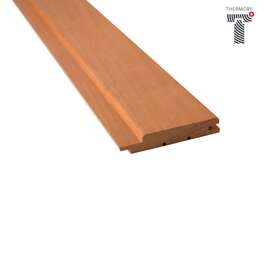
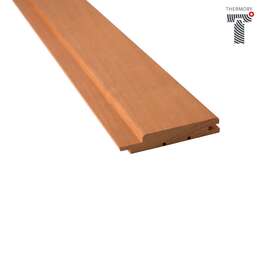
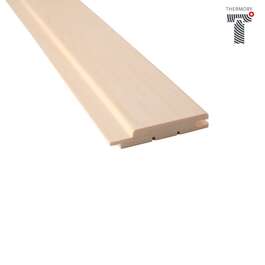
Is tongue-and-groove board suitable for sauna construction?
Yes, tongue-and-groove boards create tight, sturdy walls and floors without gaps, ideal for sauna interiors.
How can you assess the quality of wood for a sauna?
Quality is judged by dryness, absence of defects such as cracks and knots, and uniform color and texture.
What board sizes are popular for sauna construction?
Boards 20 to 40 mm thick and 90 to 150 mm wide are commonly used for walls and interior finishing.
How does temperature affect sauna wood?
High temperatures can cause wood to expand and shrink, so selecting species resistant to temperature changes is important.
Should wood be treated before installation in a sauna?
Yes, treating wood with antiseptics and moisture protectants helps prevent mold and decay.
How long does quality sauna wood last?
With proper care, quality sauna wood can last 20–30 years or more without significant deterioration.